Engaging preschoolers in group activities is not only fun but also beneficial for their development. Playing games together can significantly enhance their social skills, teach them about cooperation, and improve their physical coordination. You might find that group games can play a crucial role in developing a child’s ability to follow instructions, communicate with peers, and build confidence in social settings.
Choosing the right games for preschool groups is essential for keeping little ones interested and involved. For indoor playtimes, games like Freeze Dance test their ability to listen and react, whereas outdoor activities such as a simple game of tag cater to their need for movement and excitement. Importantly, such games are adaptable to the group’s size and the children’s individual needs.
When selecting games, consider the age appropriateness and safety. Preschoolers are at a stage where learning through play is incredibly effective, and the right game can serve as a gentle introduction to new concepts and skills.
A controlled game of Simon Says can improve their attention to detail and their ability to distinguish between when it’s time to act and when it’s time to listen. With the right selection, group time becomes an adventure that every preschooler looks forward to.
Importance of Group Games in Preschool
Group games play a pivotal role in the holistic development of preschoolers. They provide a structured yet flexible environment for children to learn and grow across multiple domains.
Cognitive Benefits
Memory and Attention: Engaging in group games requires preschoolers to focus, remember rules, and follow instructions, sharpening their memory and enhancing their attention span. For example, games like “Simon Says” necessitate active listening and quick recall to succeed, promoting cognitive flexibility.
Problem Solving: Team-based puzzles and strategy games push children to think critically and solve problems collectively. Children learn to analyze situations and make decisions, contributing to their cognitive acumen.
Social Skills Development
Cooperation: Through games like relay races or group story-building, you learn the importance of teamwork and the value of cooperating with others to achieve a common goal.
Communication: Preschoolers enhance their verbal and non-verbal communication skills as they interact with peers during group games, learning to express their ideas and also to listen to others.
Physical Development
Motor Skills: Physical activities such as bean bag toss are excellent for refining gross motor skills, as children must throw, catch, and move with control and coordination.
Health and Fitness: Group games often involve running, jumping, and dancing, which are fun ways for children to stay active and build a foundation for a healthy lifestyle.
Selecting Appropriate Games for Preschool Groups
When choosing games for preschoolers, it’s essential to consider their developmental stage, ensure their safety, and embrace inclusivity.
Age-Appropriateness
You want to select games that match the cognitive and physical abilities of preschoolers. Activities should encourage fundamental skills like motor coordination, color and shape recognition, and basic problem-solving.
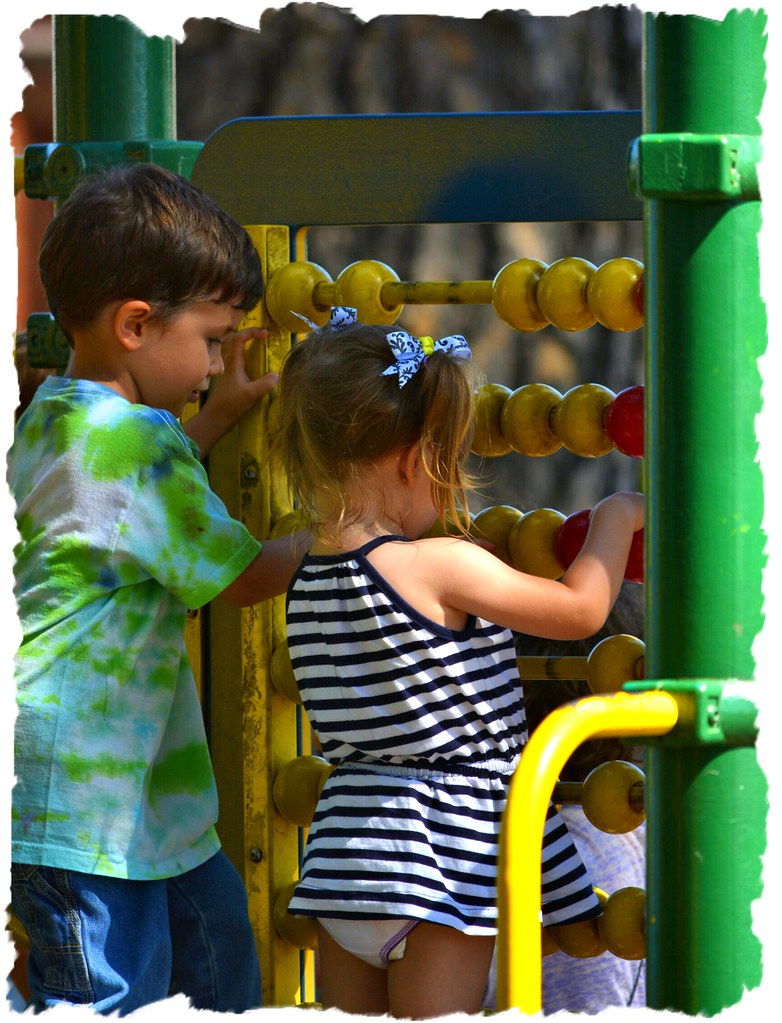
For example, games that involve matching shapes or colors can be highly beneficial, as they are complex enough to challenge a preschooler without causing frustration.
Safety Considerations
Safety is paramount. Choose games with non-toxic materials, large parts that mitigate choking hazards, and durable, safe edges to prevent injury during play. Ensure any game you select can be safely navigated by preschool-aged children, with supervision as needed. Outdoor games should limit the need for running on hard surfaces to reduce the risk of falls and injuries.
Inclusivity and Diversity
Games should reflect a range of cultures and abilities to promote inclusivity. Look for options that allow every child to participate, regardless of their physical abilities or learning style. Games with a focus on collaboration rather than competition can foster a sense of community and help children appreciate the value of diversity.
By keeping these key points in mind, you will choose games that not only entertain but also enrich preschoolers’ learning experiences.
Educational Games for Preschool Groups
Engaging preschoolers in educational games is crucial for their cognitive and social development. These games can enhance language skills, introduce basic math concepts, and ignite a curiosity for science.
Language Learning Games
Simon Says is an excellent game for reinforcing language skills and following directions. By using different action verbs and body parts, you can expand your preschoolers’ vocabulary and listening skills in a playful setting. For more fun variants and rules, you can visit 16 Indoor and Outdoor Group Games for Preschoolers.
Math Concept Games
Hot Potato is a game where you can subtly introduce the concept of counting. Have the children pass around an object to music; when the music stops, the holder is out. This can evolve into a counting exercise by passing the object a specific number of times. For details on how to integrate math into such games, check out 30 Fun and Engaging Group Games for Preschoolers.
Science Exploration Activities
Try an Alphabet Hunt to instill early scientific skills like observation and classification. Hide paper letters around the room and challenge the children to find them and put them in alphabetical order. For more on organizing this activity, explore the ideas at 25 Indoor and Outdoor Group Games for Preschool Kids.
Creative Games for Preschoolers
Engaging in creative games is essential for the development of young minds. Preschoolers thrive on imaginative, music-infused, and craft-based play that stimulates their creativity and cognitive skills.
Art and Craft-Based Games
Color Match Parade: Create a color-rich environment by asking your preschoolers to sort objects based on color. A game that combines learning through play can be crafted by providing various colored items and challenging the children to place them with matching colors.
Shape Hunt: Turn the classroom into a shape discovery zone. Cut shapes from cardboard and hide them around the room. Provide your preschoolers with a checklist and let them embark on a shape scavenger hunt, offering stickers as a fun reward for each find.
Music and Movement Games
Freeze Dance: Play music and encourage your preschoolers to dance freely. When the music pauses, everyone must freeze. This activity promotes active listening and gross motor skills.
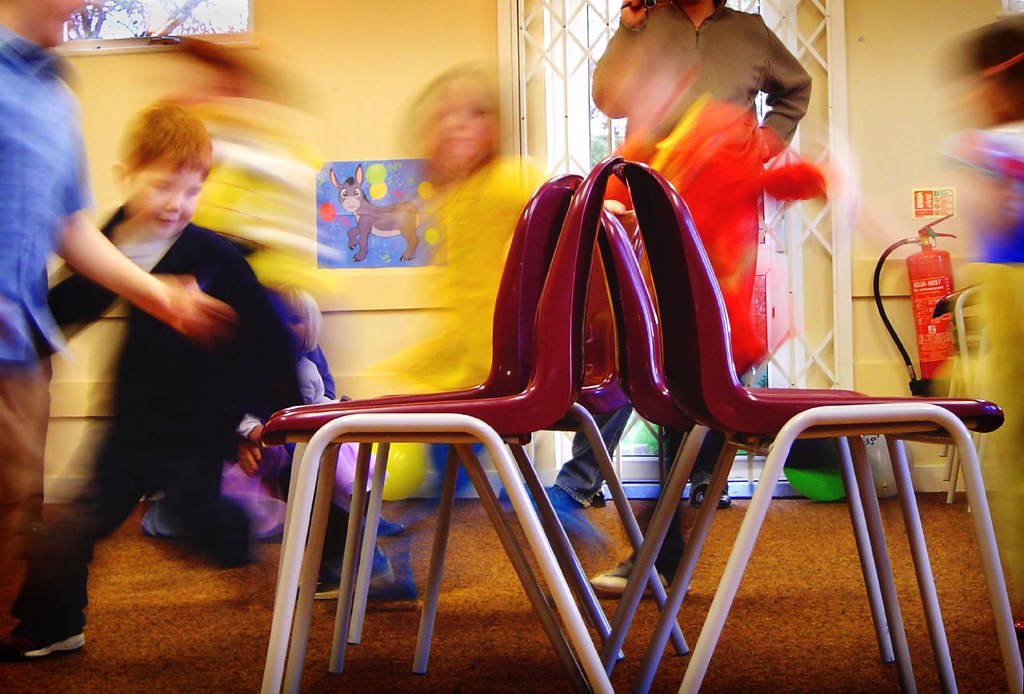
Musical Chairs: Arrange chairs in a circle and play lively music. As the preschoolers walk around the chairs, remove one chair each time the music stops. This classic game teaches children about rhythm and coordination, as well as the concept of musical cues.
Imaginative Play Activities
Pretend Grocery Store: Set up a mini grocery store with empty packaging and play money. This imaginative play activity helps children understand the value of money and goods, fostering social skills and number recognition.
Dress-Up Relay: Organize a playful relay where children dress up in different costumes and race to a finish line. By taking turns, they learn patience and teamwork, all while enjoying the magic of pretend play.
Outdoor Games for Preschoolers
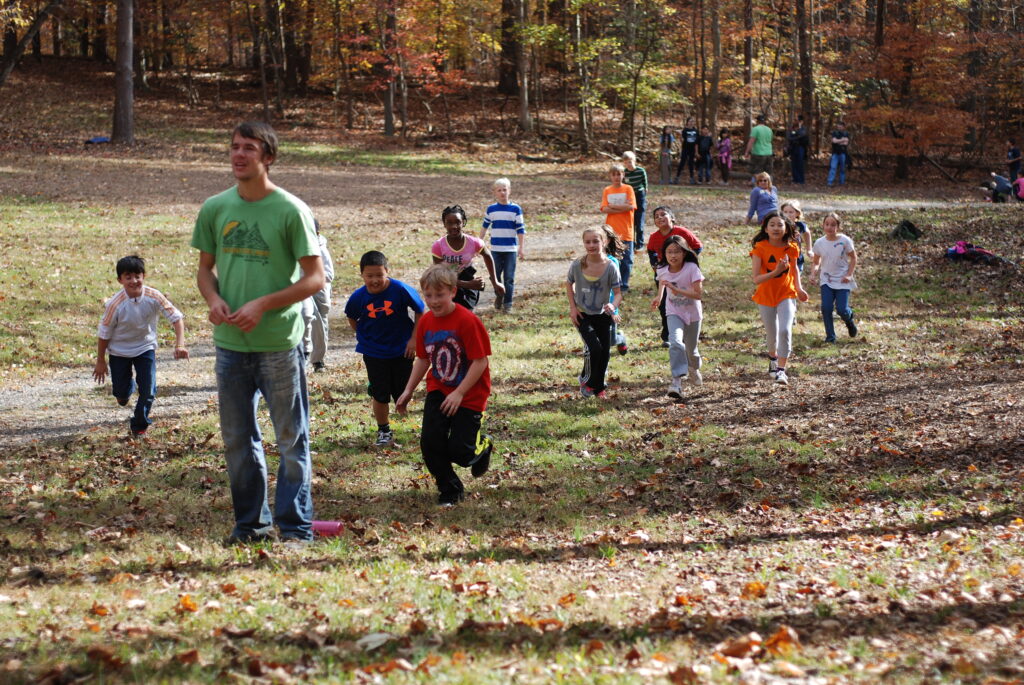
Outdoor play is vital for the physical and cognitive development of preschoolers. These games provide opportunities for social interaction, creativity, and the development of physical skills in a natural setting.
Nature Discovery Games
Scavenger Hunt: Equip your preschoolers with a list of natural items to find, such as leaves of different shapes, smooth pebbles, or feather. This game encourages observation and exploration of the outdoor environment.
Bug Search: Give children magnifying glasses and let them look for ants, beetles, and other small creatures. This game helps foster curiosity and teaches respect for living things—just ensure all critters are safely returned to where they were found.
Team Sports for Young Children
Mini Soccer: Introduce your young ones to the fundamentals of soccer with a soft ball and makeshift goals. Focus on simple rules like kicking the ball and running towards the goal area.
Relay Races: Set up a simple course and divide the children into teams. Races can involve traditional running, hopping on one foot, or carrying an object. These games promote teamwork and understanding of following instructions.
Playground Activities
Climbing Frames: These structures are great for developing gross motor skills as preschoolers navigate through them. Ensure safety by supervising closely.
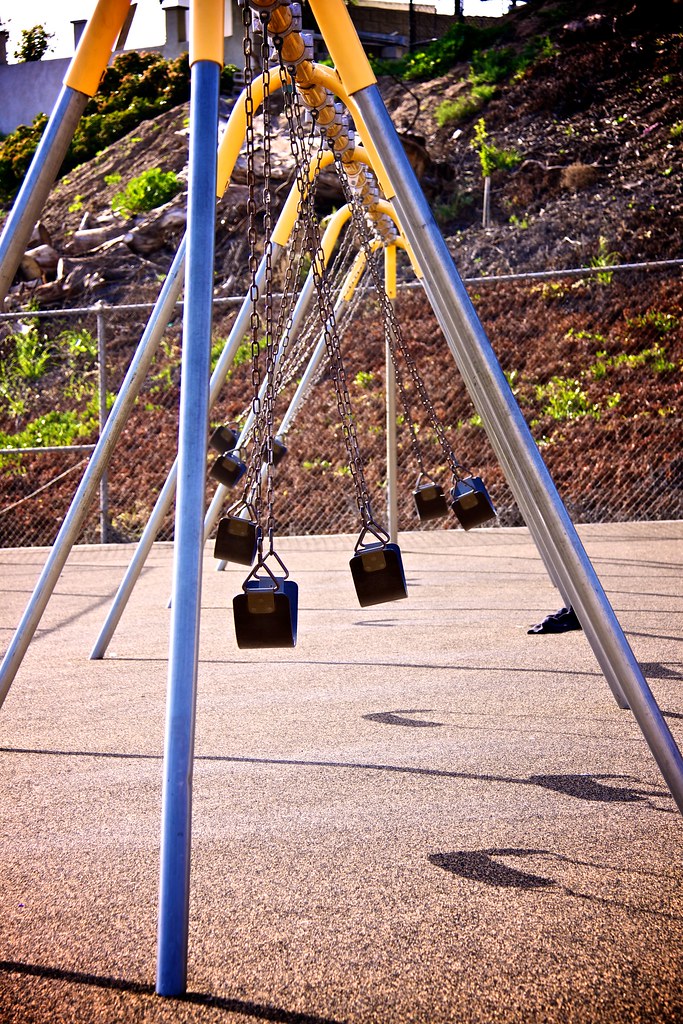
Swing Sets: Swings allow children to experience motion and the cause and effect of pushing and pulling. Teach them how to swing themselves to promote independence.
Playing outdoors is more than just fun for preschoolers—it’s a platform for learning and growth. Through these games, they gain skills, confidence, and a love for active play.
Indoor Games for Preschool Groups
Indoor games for preschool groups are essential for fostering both cognitive and motor skills in a safe and controlled environment. They offer a variety of activities that cater to different interests and developmental levels.
Puzzle and Problem-Solving Games
Memory Match: Boost your group’s memory skills with a simple card game. Lay cards face down and have children take turns finding pairs.
Shape Sorting: Use different objects and have preschoolers sort them by shape and color. This encourages critical thinking and recognition skills.
Board Games and Card Games
Snakes and Ladders: Teach counting and number recognition with this classic board game. Each roll of the dice advances a player, offering a mix of luck and basic counting.
Go Fish: This card game is great for teaching preschoolers to match pairs and request cards from their peers, enhancing social skills and memory.
Storytelling and Reading Games
Story Cubes: Roll dice with images and have your group construct a story based on the pictures that come up. This exercises creativity and language skills.
Character Walk: After reading a story, encourage children to move around the room as their favorite character, which helps with comprehension and physical expression.
Games Using Technology
Integrating technology into playtime offers dynamic and interactive experiences for preschoolers. These games can enhance learning and engagement through thoughtfully designed digital environments.
Interactive Digital Games
Interactive digital games provide a hands-on experience that can help develop your preschooler’s motor skills and decision-making abilities. For instance, using apps like Science4Us allows children to engage in science experiments, exploring topics such as weather, plants, or animals.
Also, augmented reality games afford an immersive experience where children can interact with virtual elements overlaid onto the real-world environment.
Educational Apps and Platforms
Educational apps and platforms are instrumental in developing preschoolers’ digital literacy. Platforms like brightwheel help lay the foundation for essential skills in technology use and can be fundamental in setting children up for success in a digital world.
These activities span from learning programming basics to understanding logical sequences and honing problem-solving skills.
Resource Guide for Preschool Games
In this guide, you’ll find curated game lists, essentials for game setup, and professional insights to effectively engage preschoolers in group play.
Recommended Game Lists
Here are 30 fun group games that can captivate and entertain preschoolers such as Musical Chairs, which demands quick thinking and agility. For indoor and outdoor versatility, consider Simon Says, a classic game detailed on Empowered Parents, that sharpens listening skills and helps manage energy levels.
Supplies and Setup
Essentials for Game Play:
- Chairs for games like Musical Chairs
- Music player for games involving rhythm and movement
- Various objects (e.g., cones, ropes) for boundary setting and sensory activities
Make sure you have the right setup for each game. For instance, with Music and Movement activities, ample open space allows children to express themselves freely through dance.
Expert Advice for Educators and Parents
Tap into well-researched strategies to guide games effectively. Your Therapy Source offers advice on large group activities that engage preschoolers, including suggestions for managing group dynamics.
Games like Red Light, Green Light can be found here, which are superb for teaching self-regulation and patience. Additionally, explore activities on TicTacTeach that focus on encouraging teamwork, like Ping Pong Puff, which integrates science fundamentals in a relatable manner.
Frequently Asked Questions
This section provides clear and targeted information to help you choose the best games that cater to the diverse needs of preschoolers during group playtime.
What are some engaging board games suitable for preschoolers?
Seek out board games designed for young minds, focusing on simplicity, vibrant colors, and interactive play. Games like “Candy Land” and “Chutes and Ladders” are excellent for preschoolers, offering straightforward rules and opportunities for learning.
Which outdoor group activities are safe and enjoyable for preschoolers?
Outdoor games such as tag or Duck, Duck, Goose are ideal for preschoolers. These games encourage physical activity and teach children about taking turns and playing fairly in a safe environment.
Can you recommend some active indoor games for preschoolers?
Freeze Dance and “Hot Potato” are energetic indoor games that help preschoolers develop motor skills while having a blast. They can be played with music or a soft toy, respectively, and require minimal setup.
What are the best free online preschool games that promote learning?
Online platforms often feature games that blend fun with learning. Look for games that enhance memory, problem-solving, and language skills. Websites like PBS Kids and Funbrain offer a range of educational games tailored for preschoolers.
How can preschoolers be kept entertained with group games requiring no equipment?
Classic games like “Simon Says” and imaginative play like “What time is it, Mr. Wolf?” are engaging group activities that need no equipment. These games stimulate creativity and enhance listening skills among preschoolers.
What benefits do group games provide for preschool children’s development?
Group games foster social, cognitive, and physical development. They help children understand turn-taking, cooperation, and empathy. Moreover, such activities can boost their communication abilities and self-esteem as they interact with peers.

What Visiters Had To Say