Termites are one of the most destructive pests that can invade homes and cause significant damage to wooden structures. They have a complex and fascinating life cycle that starts with a mating flight and ends with the establishment of a new colony. Understanding the termite life cycle is crucial for homeowners to identify and prevent infestations.
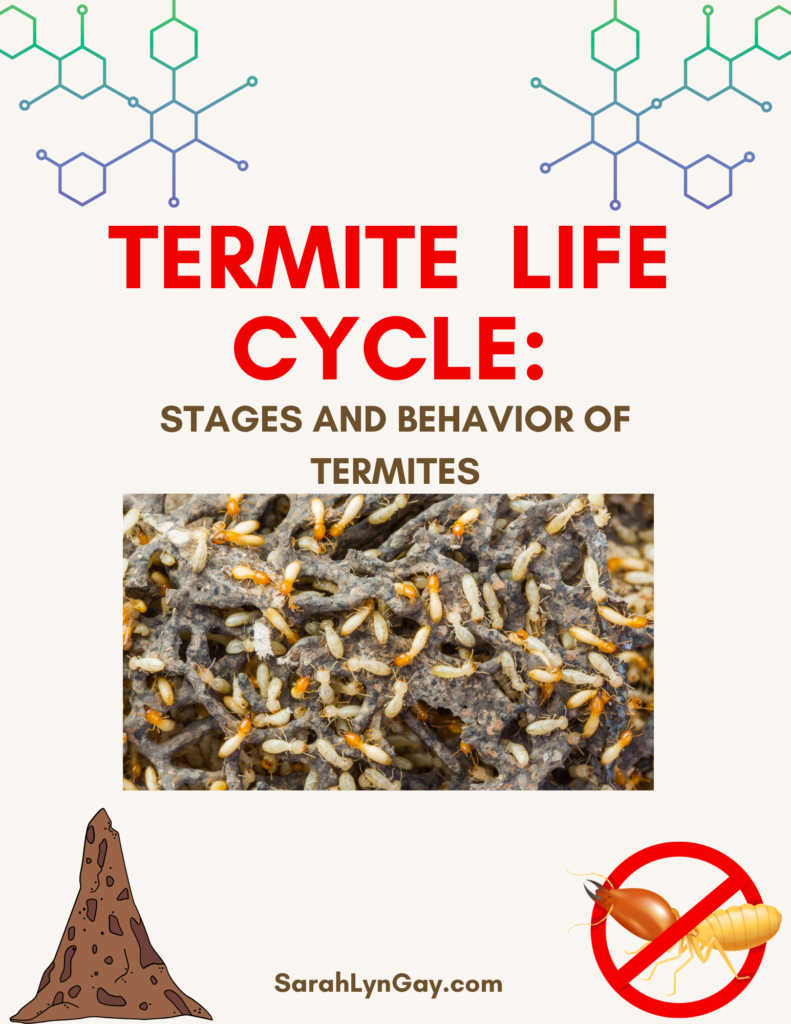
The termite life cycle begins with a mating flight, where winged reproductive males and females leave established colonies to mate. After fertilization, the winged termites land and shed their wings, going on to form new colonies.
The queen then lays eggs, which hatch into larvae that molt several times before reaching adulthood. The workers, soldiers, and reproductives are all part of the colony and have different roles to play in maintaining the colony’s survival.
Knowing the different stages of the termite life cycle can help homeowners identify the presence of termites in their homes and take necessary measures to prevent infestations.
Termite Life Cycle Basics
Termites are social insects that live in colonies and have a complex life cycle. Understanding their life cycle can help in identifying and controlling termite infestations. The life cycle of termites consists of three stages: egg, nymph, and adult.
Egg Stage
The termite life cycle begins when the queen termite lays her eggs. The eggs are small, white, and oval-shaped. The queen can lay up to 30,000 eggs per day, ensuring the growth and survival of the colony. The eggs are laid in a jelly-like liquid that holds them together. The eggs hatch in about two weeks, and the newborn termites are called larvae.
Nymph Stage
The larvae molt several times and eventually become nymphs. The nymph stage is where the termites begin to develop their caste system. The caste system determines the role of each termite in the colony, such as workers, soldiers, and reproductive termites. The nymphs continue to molt and grow until they reach their final stage as adults.
Adult Stage
The adult stage is where the termites reach their full size and begin to perform their designated roles in the colony. The workers are responsible for feeding and caring for the other termites, building and repairing the nest, and foraging for food. The soldiers protect the colony from predators and other threats. The reproductive termites are responsible for producing eggs and expanding the colony.
Understanding the termite life cycle is crucial in identifying and controlling infestations. By knowing the different stages, you can take preventive measures to protect your home from these destructive pests.
Termite Castes
Termites are social insects that live in colonies with a highly organized caste system. Each caste has a specific role to play in the colony, and their duties vary according to their physical characteristics and behavior. The three main castes of termites are workers, soldiers, and reproductives.
Workers
Workers are the most numerous caste in a termite colony and are responsible for building and maintaining the nest, foraging for food, and feeding the other members of the colony. They are blind, wingless, and have a soft, white body. They have a large head with powerful jaws that they use to chew wood and other cellulose materials. Workers are also responsible for caring for the eggs and young of the colony.
Soldiers
Soldiers are the defenders of the colony. They have large, powerful mandibles that they use to defend the colony against predators such as ants. They are also wingless and blind, like the workers.
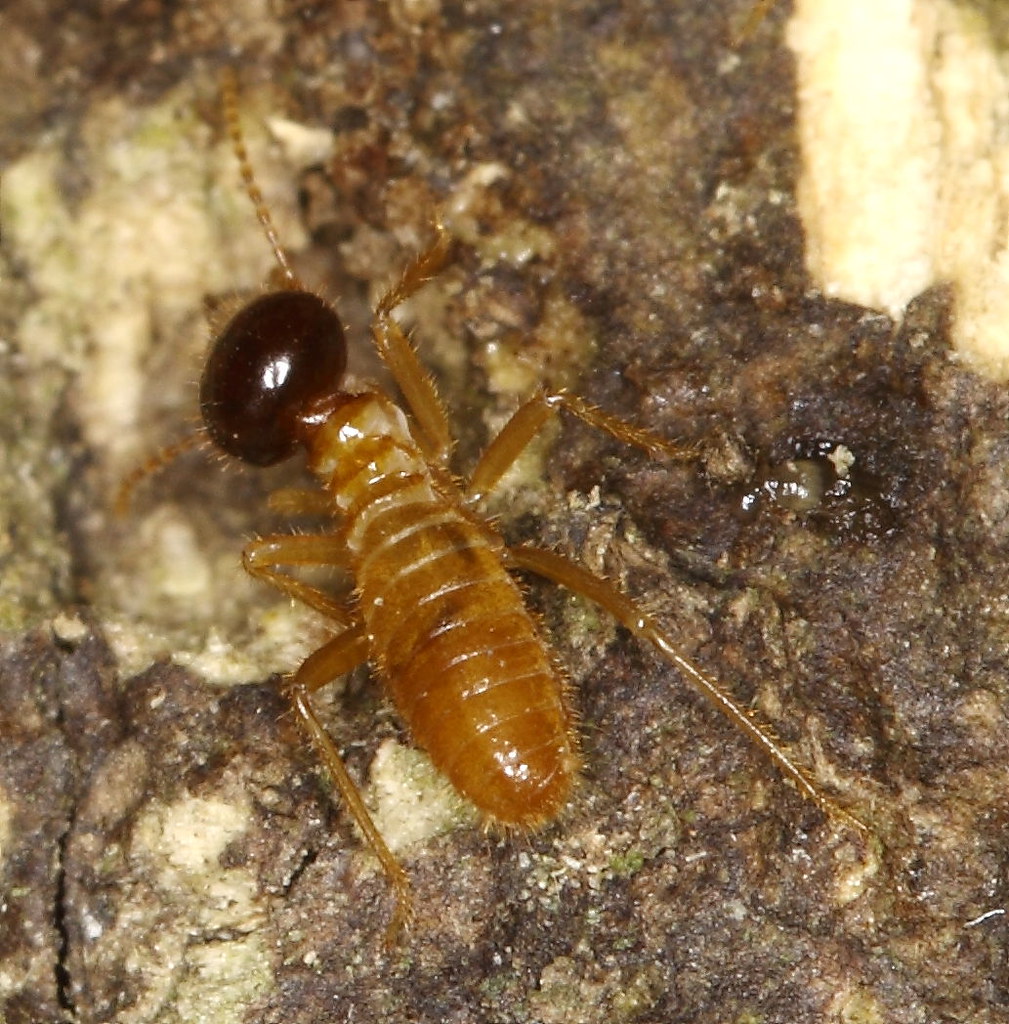
Soldiers have a distinctive, enlarged head and are usually larger than workers. They are responsible for protecting the colony from threats and maintaining the integrity of the nest.
Reproductives
Reproductives are the only members of the colony that have wings. These are the termites that will leave the nest to mate and start new colonies. They are also responsible for laying eggs and ensuring the survival of the colony. The reproductives are divided into two groups: the primary reproductives (king and queen) and the secondary reproductives.
The primary reproductives are the original pair of termites that founded the colony, and they are responsible for producing all of the eggs. The secondary reproductives are produced by the colony to ensure that it can continue to grow and thrive.
Termites have a highly organized caste system with workers, soldiers, and reproductives. Each caste has a specific role to play in the colony, and their duties vary according to their physical characteristics and behavior.
Workers are responsible for building and maintaining the nest, foraging for food, and feeding the other members of the colony. Soldiers are the defenders of the colony, and reproductives are responsible for laying eggs and ensuring the survival of the colony.
Mating and Reproduction
Swarming
The termite life cycle begins with a swarming event, where winged reproductive males and females leave their established colonies to mate. This usually occurs in the spring and summer months, when the weather is warm and humid. During the swarming event, termites fly in large groups and search for a mate from a different colony. Once they find a mate, they land and shed their wings.
Pairing and Nesting
After landing, the paired termites search for a suitable location to start a new colony. They will look for a location with access to moisture, wood, and soil. Once they find a suitable location, they will begin to construct a nest. The paired termites will become the king and queen of their new colony.
Egg Laying
The queen will begin to lay eggs in a jelly-like substance that holds the eggs together. A queen termite can lay up to 30,000 eggs in a single day. The eggs will hatch into larvae, which will molt several times before becoming adult termites. The workers will care for the eggs and larvae, ensuring that they have enough food and water to survive.
The termite life cycle begins with a swarming event, where winged reproductive males and females leave their established colonies to mate. Once they find a mate, they land and shed their wings and begin to construct a nest. The queen will then lay eggs, which will hatch into larvae and eventually become adult termites. The workers will care for the eggs and larvae, ensuring that they have enough food and water to survive.
Termite Lifespan
Termites are small, social insects that live in colonies and feed on cellulose-based materials such as wood. The lifespan of a termite varies depending on its role in the colony.
Workers and Soldiers Lifespan
Workers and soldiers are the two types of termites that make up the majority of a termite colony. Workers are responsible for building and maintaining the nest, caring for the young, and foraging for food. Soldiers are responsible for defending the colony against predators.
Workers and soldiers typically live for one to two years. During this time, they work tirelessly to ensure the survival of the colony. They are highly adaptive and can withstand a variety of environmental conditions.
Reproductives Lifespan
Reproductives, also known as alates or swarmers, are the termites responsible for starting new colonies. They are winged and leave the nest during a mating flight to find a mate and start a new colony.
The lifespan of reproductive termites can vary. Studies show that reproductive termites can live up to 4 years old, while queen termites can live up to decades under ideal climate conditions. Queen termites are responsible for laying eggs and maintaining the colony’s population.
The lifespan of a termite varies depending on its role in the colony. Workers and soldiers typically live for one to two years, while reproductive termites can live up to 4 years old, and queen termites can live for decades.
Termite Species and Their Life Cycles
Termites are social insects that belong to the order Isoptera. They are found worldwide and play an essential role in the ecosystem by breaking down dead plant material. There are over 2,000 known termite species, and they can be classified into three main groups based on their habitat: subterranean, drywood, and dampwood termites. Each species has a unique life cycle that is adapted to their specific environment.
Subterranean Termites
Subterranean termites are the most common type of termite found in North America. They live in underground colonies and require contact with soil to survive. The life cycle of subterranean termites begins with a mating flight in the spring or fall.
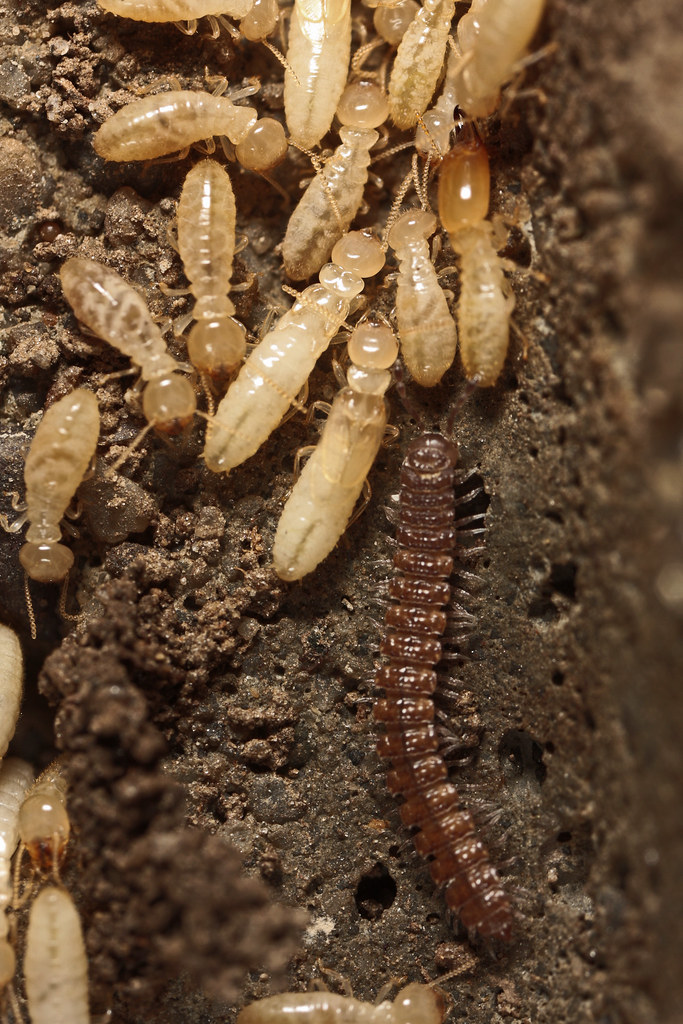
After mating, the female lays eggs that hatch into larvae. The larvae develop into workers, soldiers, or reproductives, depending on their needs in the colony. Workers are responsible for feeding and caring for the other termites, while soldiers defend the colony against predators. Reproductives are responsible for starting new colonies.
Drywood Termites
Drywood termites live in dry wood and do not require contact with soil to survive. They are found in warmer regions of the world and are less common than subterranean termites. The life cycle of drywood termites begins with a mating flight in the spring or summer.
After mating, the female lays eggs that hatch into larvae. The larvae develop into workers, soldiers, or reproductives, depending on their needs in the colony. Drywood termites do not have a worker caste, so the nymphs take over these duties. Soldiers defend the colony against predators, and reproductives are responsible for starting new colonies.
Dampwood Termites
Dampwood termites live in damp wood and do not require contact with soil to survive. They are found in cooler regions of the world and are less common than subterranean termites. The life cycle of dampwood termites begins with a mating flight in the spring or summer.
After mating, the female lays eggs that hatch into larvae. The larvae develop into workers, soldiers, or reproductives, depending on their needs in the colony. Workers are responsible for feeding and caring for the other termites, while soldiers defend the colony against predators. Reproductives are responsible for starting new colonies.
Each species of termite has a unique life cycle that is adapted to their specific environment. Understanding the life cycle of termites is essential for effective termite control and prevention.
Final Thoughts on the Termite Life Cycle
The termite life cycle is a fascinating process that involves various stages, each with its unique characteristics and functions. Termites are cellulose-eating insects that form large colonies and play a crucial role in the ecosystem. They are often referred to as “silent destroyers” due to their ability to cause significant damage to homes and other wooden structures.
The termite life cycle begins with a mating flight, where winged reproductive males and females leave established colonies to procreate. After fertilization, winged termites land and shed their wings, going on to form new colonies. These insects then become the king or queen termites of their newly established colonies.
Once the colony is established, the queen lays eggs, which develop into larvae, and then worker or soldier termites. The workers are responsible for gathering food, feeding the colony, and taking care of the young. The soldiers protect the colony from predators and other threats.
Understanding the termite life cycle is essential for preventing and treating infestations. By identifying the signs of a termite infestation and taking appropriate measures, homeowners can protect their homes from significant damage. Regular inspections by a pest control professional can also help detect and prevent termite infestations.
The termite life cycle is a complex process that requires a delicate balance of various factors. By understanding this process, homeowners can take the necessary steps to protect their homes from these destructive insects.
Frequently Asked Questions
What is the lifespan of a termite queen?
Termite queens have an incredibly long lifespan compared to other insects. Depending on the species, a termite queen can live for up to 25 years. During her lifetime, she can produce millions of eggs, which are tended to by the worker termites.
How long do termites live in wood?
Termites that infest wood can live for several years. The length of time depends on the species of termite, the size of the colony, and the availability of food. In general, termites can live in wood for several years without being detected, causing significant damage to the structure.
How long do termites live after treatment?
After a termite treatment, the length of time that termites live can vary. Some termites may die immediately, while others may continue to live for a few days or weeks. The effectiveness of the treatment depends on the type of treatment used, the extent of the infestation, and other factors.
What is the life cycle of drywood termites?
Drywood termites have a similar life cycle to other termites. The queen lays eggs, which hatch into larvae. The larvae molt several times before becoming adults. The adults then mate and continue the cycle. However, unlike other termites, drywood termites do not require contact with soil to survive.
How long can a single termite live?
The lifespan of a single termite depends on the species. Some termites may only live for a few months, while others can live for several years. However, in general, individual termites do not live very long, as they are constantly at risk of predation and other threats.
What time of year are termites the worst?
Termites are most active during the spring and summer months when the weather is warm and moist. However, termites can be active year-round in some areas. It is important to be vigilant for signs of termite infestations throughout the year to catch them early and prevent significant damage to structures.

What Visiters Had To Say