Bloodworms are fascinating creatures that have captured the attention of scientists and nature enthusiasts alike due to their unique life cycle. These creatures are a type of midge fly larvae that can be found in ponds, lakes, and slow-moving rivers. The bloodworm life cycle consists of four stages: egg, larvae, pupae, and adult.
The first stage in the bloodworm life cycle is the egg stage. Midge flies lay their eggs in a gelatinous mass on the water’s surface, which can contain up to 3,000 eggs. The eggs sink to the bottom of the water where they will hatch in up to one week. The larvae that emerge from the eggs are commonly known as bloodworms due to their red body fluids that contain hemoglobin, which gives them a creamy pink color.
Understanding the bloodworm life cycle is crucial for those interested in studying or breeding them. By knowing the different stages of their development, researchers can better understand their behavior, habitat, and how to care for them. Bloodworms are also used as bait for fishing and as a food source for aquatic animals, making them an important part of the ecosystem.
Bloodworm Identification
Bloodworms are the larvae of chironomid midges, a non-biting insect that looks like a mosquito but does not bite. They are commonly found in freshwater and brackish water environments, such as ponds, lakes, and estuaries. Bloodworms are a popular food source for fish and are also used as bait for fishing.
Bloodworms are easily identifiable by their bright red color, which is due to the presence of hemoglobin in their bodies. Hemoglobin is a protein that helps transport oxygen in the blood, and it gives the bloodworms their characteristic red color.
Bloodworms are typically small, ranging in size from 1 to 3 centimeters in length. They have a long, slender body with distinct segments and a small head with two antennae. Bloodworms are also known for their ability to move quickly and erratically in the water, which makes them an attractive prey item for fish.
When bloodworms are first hatched, they are colorless and free-swimming. As they mature, they develop their distinctive red color and become bottom-dwelling filter feeders. Bloodworms go through several molts as they grow, shedding their skin to reveal a larger body underneath.
Bloodworms are easy to identify due to their bright red color and distinct body shape. They are an important part of the aquatic food chain and are commonly used as a food source for fish and other aquatic animals.
Habitat
Bloodworms are the larvae of midges, which are small, flying insects that resemble mosquitoes but do not bite. These larvae are commonly found in freshwater environments such as ponds, lakes, and slow-moving rivers. Bloodworms require still or slow-moving water to lay their eggs, which is why they are commonly found in these types of habitats.
The female midges lay their eggs in a gelatinous mass on the water’s surface, which can contain up to 3,000 eggs. The eggs then sink to the bottom of the water, where they will hatch in up to one week. The larvae, or bloodworms, will then develop in this aquatic environment.
Bloodworms are known for their ability to survive in low-oxygen environments, which makes them well-suited for living in stagnant water. They are also able to tolerate a wide range of temperatures, which allows them to thrive in many different freshwater habitats.
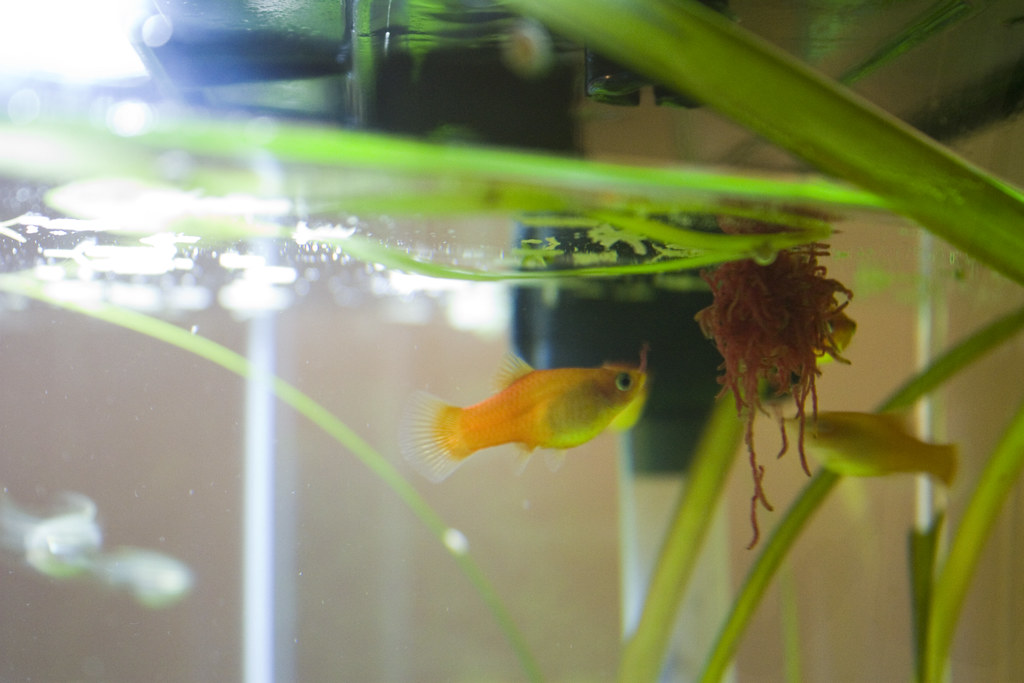
Bloodworms are an important part of the freshwater ecosystem, serving as a food source for other aquatic organisms such as fish and birds. Their ability to survive in a variety of environments makes them a common sight in many freshwater habitats.
Bloodworm Life Stages
Bloodworms are the larvae of midges, which are small, flying insects. They are commonly found in ponds, lakes, and slow-moving rivers. The life cycle of a bloodworm has four stages: eggs, larvae, pupae, and adults.
Eggs
The midge lays its eggs in a gelatinous mass on the surface of the water. Each mass may contain up to 3,000 eggs. The egg mass sinks to the bottom of the water, where it will hatch in up to one week.
Larvae
The hatched eggs develop into larvae, which are commonly known as bloodworms. Bloodworms are red in color due to the presence of hemoglobin in their bodies. They are typically found on the bottom of shallow marine waters. Bloodworms can grow up to 35 cm (14 in) in length.
Pupae
After about two weeks, the larvae enter the pupal stage. During this stage, the bloodworms transform into pupae, which are inactive and do not feed. The pupal stage lasts for about a week.
Adults
After the pupal stage, the midge emerges as an adult. The adult midge has wings and can fly. The lifespan of an adult midge is short, usually only a few days.
Bloodworms go through four stages in their life cycle: eggs, larvae, pupae, and adults. Understanding the life cycle of a bloodworm can be helpful for those who use them as fishing bait or for those who want to cultivate them for their own purposes.
Reproduction
Bloodworms reproduce sexually, and their life cycle involves an aquatic stage and a terrestrial stage. The female midges lay their eggs in a gelatinous mass on the surface of still or slow-moving water bodies, such as ponds, lakes, and shallow, slow-moving rivers. Each mass may contain up to 3,000 eggs. The eggs hatch into larvae, which are also known as bloodworms.
Once the larvae hatch, they enter the aquatic stage of their life cycle. During this stage, they undergo several molts and develop into mature adults. The adults mate and produce eggs, which start the cycle all over again.
Reproduction in bloodworms is triggered by several factors, including water temperature and lunar cycles. When the conditions are right, sexually mature worms transform into a non-feeding stage called the epitoke. With enlarged parapodia, they swim to the surface of the water where both sexes release gametes, and then die.
The life cycle of bloodworms is an important part of the ecosystem in aquatic environments. They serve as a food source for many other organisms, including fish, birds, and other insects. Understanding the life cycle of bloodworms is essential for managing and maintaining healthy aquatic environments.
Predators and Threats
Bloodworms have a number of natural predators that feed on them throughout their life cycle. Black-bellied plovers, for example, are known to prey on bloodworms, while striped bass and sand shrimp consume the dead, spent bloodworm bodies.
In addition to natural predators, bloodworms also face threats from human activities. Pollution, habitat destruction, and overfishing can all impact their populations. In some areas, bloodworms are harvested for use as bait in fishing, which can lead to overexploitation if not managed sustainably.
Another threat to bloodworms is the use of pesticides and other chemicals in the water. These substances can harm not only the bloodworms themselves but also the other organisms that rely on them for food.
It is important to take steps to protect bloodworms and their habitats to ensure their continued survival. This can include measures such as reducing pollution, preserving wetland habitats, and implementing sustainable fishing practices. By working to protect bloodworms and other important species, we can help to maintain healthy and thriving ecosystems both in and out of the water.
Bloodworms and Ecosystem
Bloodworms, also known as Glycera, are a type of polychaete worm that plays an important role in the ecosystem. They are typically found in shallow marine waters, and some species can grow up to 35 cm in length.
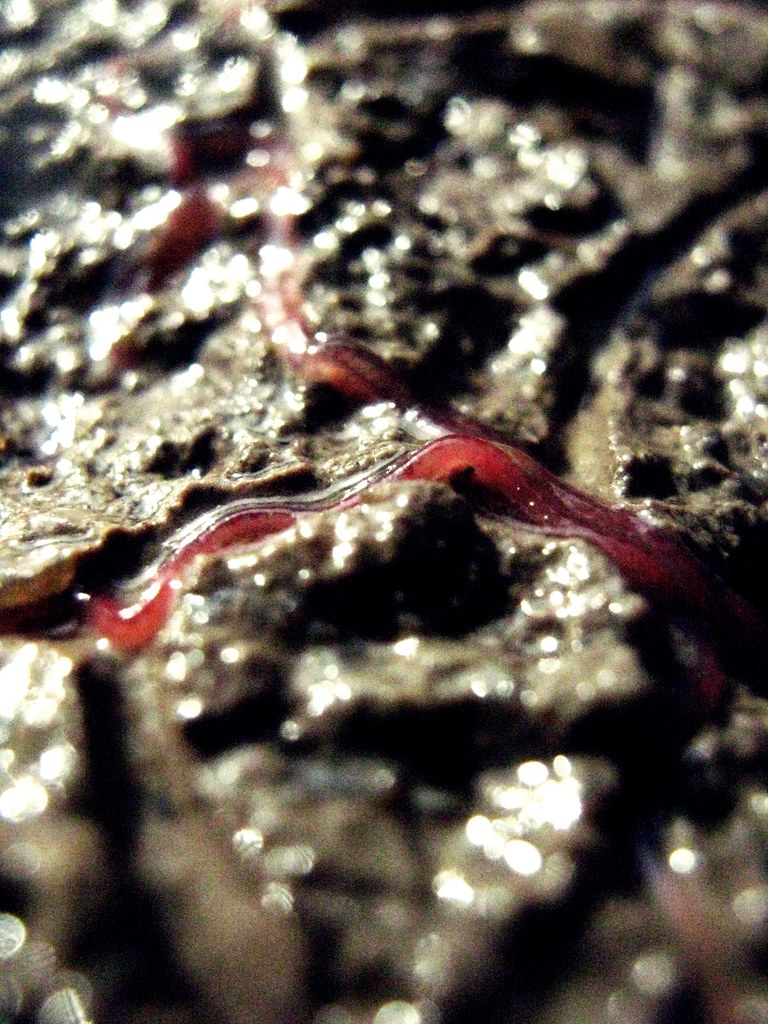
Bloodworms are a source of food for many marine animals, including fish, crabs, and birds. They are also important decomposers, breaking down organic matter in the sediment and recycling nutrients back into the ecosystem.
In addition to their ecological role, bloodworms are also used as fishing bait and in the aquaculture industry. They are relatively easy to culture and can be fed a variety of diets, including algae and other microorganisms.
However, like many other species in the ocean, bloodworms are vulnerable to environmental changes. Climate change, ocean acidification, and pollution can all have negative impacts on bloodworm populations and the ecosystems they inhabit.
Bloodworms are an important part of the marine ecosystem and their health and abundance are indicators of the overall health of the ecosystem. It is important to take steps to protect their habitat and ensure their continued survival.
Human Interaction
Bloodworms have a significant impact on human life, particularly in the areas of fishing and waste management. Here are some of the ways in which humans interact with bloodworms:
- Fishing bait: Bloodworms are a popular bait for fishing, particularly for catching saltwater fish. They are sold in bait shops and can also be harvested from the wild. Due to their high protein content, they are a nutritious food source for fish.
Waste management: Bloodworms play an important role in waste management. They are often used to treat wastewater in sewage treatment plants, where they help to break down organic matter. Bloodworms are not selective about what they eat and will happily consume human waste from sewage plants.
Research: Bloodworms are also used in scientific research. They are often used as a model organism to study various biological processes, including development and gene expression.
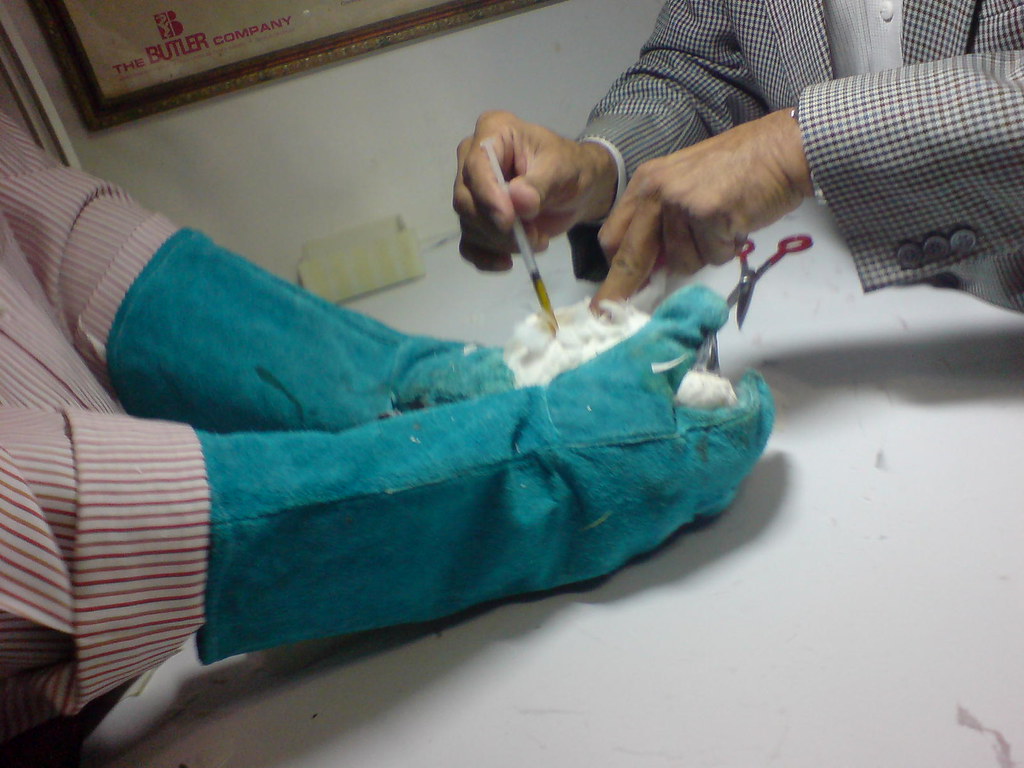
It is important to note that bloodworms can also have negative impacts on human health. They are known to carry various diseases, including malaria. It is therefore important to take precautions when handling bloodworms, such as wearing gloves and washing your hands thoroughly after handling them.
Final Thoughts on the Bloodworm Life Cycle
Bloodworms are an essential part of the aquatic ecosystem. They play a vital role in the food chain and are an excellent source of nutrition for many aquatic animals. Bloodworms are also used as bait for fishing and as a food source for aquarium fish.
The life cycle of bloodworms is relatively simple and can be completed within three to six weeks. The larval stage lasts for about two weeks, during which the bloodworm feeds on organic matter in the water. The pupal stage lasts for about a week, during which the bloodworm transforms into an adult midge fly. The adult midge fly lives for only a few days and does not feed.
Bloodworms are easy to culture, and their culture requires minimal equipment and maintenance. They can be cultured in small containers or large-scale systems, depending on the intended use. Bloodworms are also relatively easy to harvest and can be stored for later use.
Bloodworms are an essential part of the aquatic ecosystem and have many practical uses. Their life cycle is straightforward, and they are easy to culture and harvest. Whether you are an aquarist or a fisherman, bloodworms are an excellent choice for your needs.
Frequently Asked Questions
What is the development time for bloodworm eggs?
The development time for bloodworm eggs varies depending on the temperature of the water. At a temperature of 20°C, it takes about 5-7 days for the eggs to hatch. However, at lower temperatures, the development time can be longer.
How do bloodworms obtain oxygen?
Bloodworms obtain oxygen through their skin. They have a special adaptation that allows them to absorb oxygen directly from the water. This adaptation is necessary because they live in environments with low oxygen levels.
What is the lifespan of a bloodworm?
The lifespan of a bloodworm varies depending on the species. Generally, the larval stage lasts for several weeks to several months. Once they emerge as adult Midge flies, their lifespan is only a few days.
What is the habitat of bloodworms?
Bloodworms are found in freshwater environments such as ponds, lakes, and slow-moving streams. They prefer to live in muddy or sandy substrates where they can burrow and create their tubes.
What is the process of bloodworm reproduction?
Bloodworms reproduce sexually. The female lays her eggs in a gelatinous mass, which is attached to the substrate. The eggs hatch into larvae, which then undergo several molts before emerging as adult Midge flies.
How long does it take for bloodworms to complete their life cycle?
The life cycle of bloodworms can take anywhere from a few weeks to several months, depending on the temperature of the water. The larval stage lasts the longest, and once they emerge as adult Midge flies, their lifespan is only a few days.

What Visiters Had To Say