Have you ever wondered how animals can survive in the coldest parts of the world? Polar animals live in the Arctic and Antarctic regions and have uniquely adapted to their extreme environments.

What are Polar Animals?
Polar animals live in the coldest parts of the world, including the Arctic and Antarctic regions. These animals have particular adaptations that help them survive in their extreme environments.
One of the polar animals’ most important adaptations is their thick fur or feathers. This keeps them warm in freezing temperatures. Some animals, such as the polar bear, even have two layers of fur – a thick undercoat and a layer of long, guard hairs on top.
Another essential adaptation that polar animals have is their ability to find food in a place without much to eat. Many animals in the Arctic and Antarctic eat fish, seals, and other animals that live in the water. Some animals, such as the Arctic fox, have even been known to follow polar bears to scavenge for food.

Animals of the Arctic
The Arctic is a vast region that includes parts of Canada, Alaska, Greenland, Norway, Russia, and the North Pole. Despite the harsh climate, many animals call the Arctic home.
One of the most famous Arctic animals is the polar bear. These massive bears can weigh over 1,000 pounds and are well-suited to their environment. They have thick fur, large paws with non-slip pads, and a layer of fat called blubber that keeps them warm.
Another important Arctic animal is the Arctic fox. These small, fluffy foxes are known for their ability to survive in the cold. They have thick fur that changes color depending on the season – white in winter to blend in with the snow and brown in summer to match the tundra.
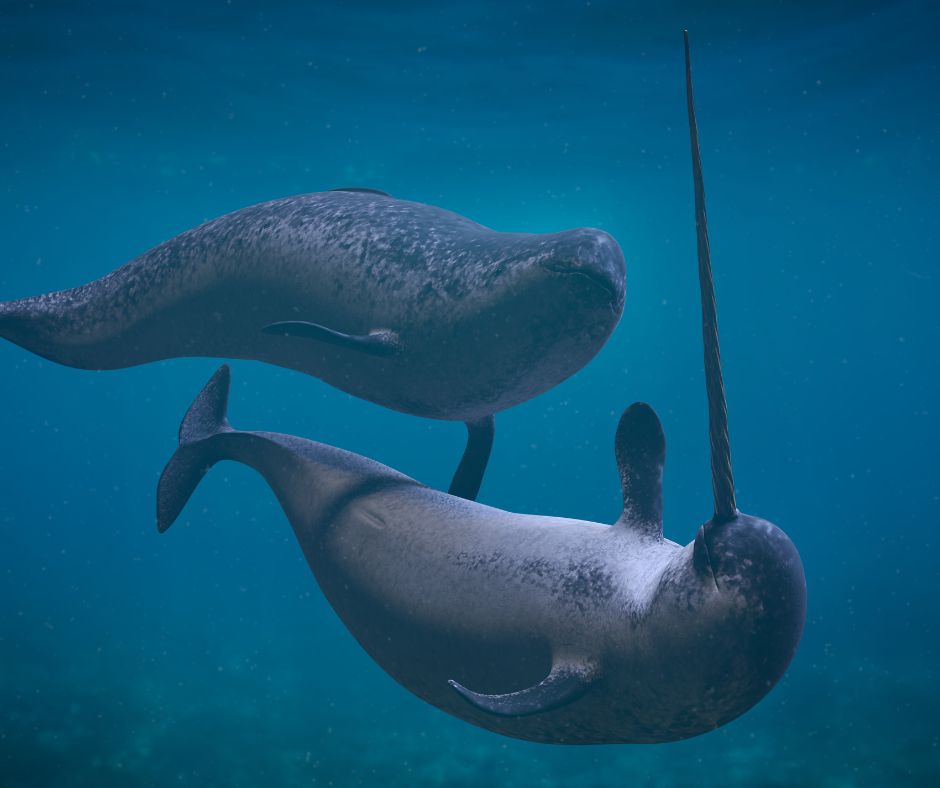
Arctic whales, such as the narwhal and beluga, are also essential residents of the Arctic. Narwhals are known for their long tusks, which can grow up to 10 feet long! Belugas, on the other hand, are called “sea canaries” because of their high-pitched vocalizations.
Animals of the Antarctic
The Antarctic is a frozen continent located at the South Pole. Despite the harsh climate, many animals call this region home.
One of the most famous Antarctic animals is the penguin. These flightless birds are known for their distinctive waddle and black-and-white coloration. There are many species of penguins, including the emperor penguin, the largest of all penguins.
Another important Antarctic animal is the seal. Seals are well-suited to life in the Antarctic because of their thick fur and blubber. They spend most of their time in the water, hunting for fish and other prey.
Finally, orcas, also known as killer whales, are important residents of the Antarctic. These powerful predators are known for their intelligence and ability to hunt in packs.
Get My Polar Animals Lesson Kit

Polar bears, penguins, snowy owls, and narwhals are all fascinating animals that live in polar regions such as the North or South Pole.
Take your kids or students on a journey of polar animals with name tracing, counting activity, How To Draw, and Penguin Number Maze worksheets. This packet is perfect for center time, homeschool lessons, or just fun!
How are Polar Animals Threatened?
Despite their ability to survive in the extreme cold, polar animals face serious threats. Climate change is causing the Arctic and Antarctic regions to warm up, melting the ice and snow that these animals rely on. This can make it harder for animals to find food and even cause them to drown if the ice breaks apart.
Another threat to polar animals is pollution. This can come from sources such as oil spills or plastic waste. Pollution can harm animals by contaminating their food sources, causing health problems, or even killing them outright.
What can be done to Help?
We can do many things to help protect polar animals and their habitats. Here are some ideas:
- Reduce your carbon footprint: Climate change is one of the polar animals’ most significant threats. You can help by reducing your carbon footprint. This means taking steps to use less energy, such as turning off lights when you leave a room or taking shorter showers.
- Use reusable products: Single-use plastics are a significant source of ocean pollution. You can help by using reusable products such as water bottles, straws, and bags.
- Support conservation efforts: Many organizations work to protect polar animals and their habitats. You can support these efforts by donating money or volunteering your time.
- Educate others: Spread the word about the importance of protecting polar animals. Talk to your friends and family about what you’ve learned and encourage them to take action too.
Final Thoughts
Polar animals are some of the most fascinating creatures on the planet. They have adapted to live in some of the coldest and harshest environments in the world, and their survival is threatened by climate change and pollution. By reducing our environmental impact, we can help protect these amazing animals and their habitats for generations to come.


What Visiters Had To Say