Engaging students during their middle school years can sometimes be a challenge due to the diverse and dynamic nature of their developmental stage. Trivia games in the classroom or after-school programs have proven to be an effective and enjoyable tool to foster learning and retention. They not only support academic curriculum through reinforcing facts and concepts but also encourage teamwork and critical thinking skills.
When you incorporate trivia games into educational settings, you’re offering students an interactive experience that breaks from traditional learning methods. These games help build a competitive spirit while ensuring that learning remains fun and immersive. Students are exposed to a variety of subjects and topics, providing a comprehensive learning experience that touches upon numerous areas of knowledge.
Middle school trivia games also present an opportunity to strengthen social skills as students work in groups and learn to communicate effectively with their peers. In this educational journey, you don’t just witness an enhancement in factual knowledge, but also see notable improvements in camaraderie and cooperation among students, making these games a valuable addition to any middle school activity roster.
Benefits of Trivia Games in Middle School Education
Trivia games in middle school can provide numerous educational benefits. They encourage active learning, where you, as a student, engage with the material in a dynamic way. This approach can enhance memory and retention of information.
- Cognitive Skills: Regular participation in trivia can improve your cognitive skills. The process of recalling answers stimulates your brain functions, leading to increased mental agility.
- Social Interaction: These games also promote social interaction, which is crucial at this stage of your development. Working in teams helps you to learn and understand the value of collaborative thinking.
| Key Benefits | Description |
|---|---|
| Critical Thinking | Trivia games challenge you to think critically and make connections. |
| Knowledge Reinforcement | They help reinforce what you’ve learned by repurposing information in a quiz format. |
| Engagement | The fun and competitive nature of trivia keeps you engaged and attentive. |
In terms of skills development, trivia games are useful for expanding your general knowledge and developing quick recall abilities. In the context of middle school, where subjects are diverse, trivia games can bridge various topics to create a more cohesive learning experience.
Furthermore, by including questions from different subjects, trivia can offer you a balanced intellectual exercise, spanning across disciplines from language arts to science and mathematics.
Additionally, trivia games foster a sense of achievement and confidence. Correctly answering questions can boost your self-esteem, encouraging you to take on new academic challenges with a positive mindset. This becomes especially important in middle school, where building self-confidence can significantly influence your academic trajectory and general well-being.
Selecting Appropriate Trivia Questions
In crafting an engaging trivia game for middle schoolers, the crux lies in your choice of trivia questions. These must challenge yet not overwhelm, inform as well as respect the diverse backgrounds of your audience.
Difficulty Level
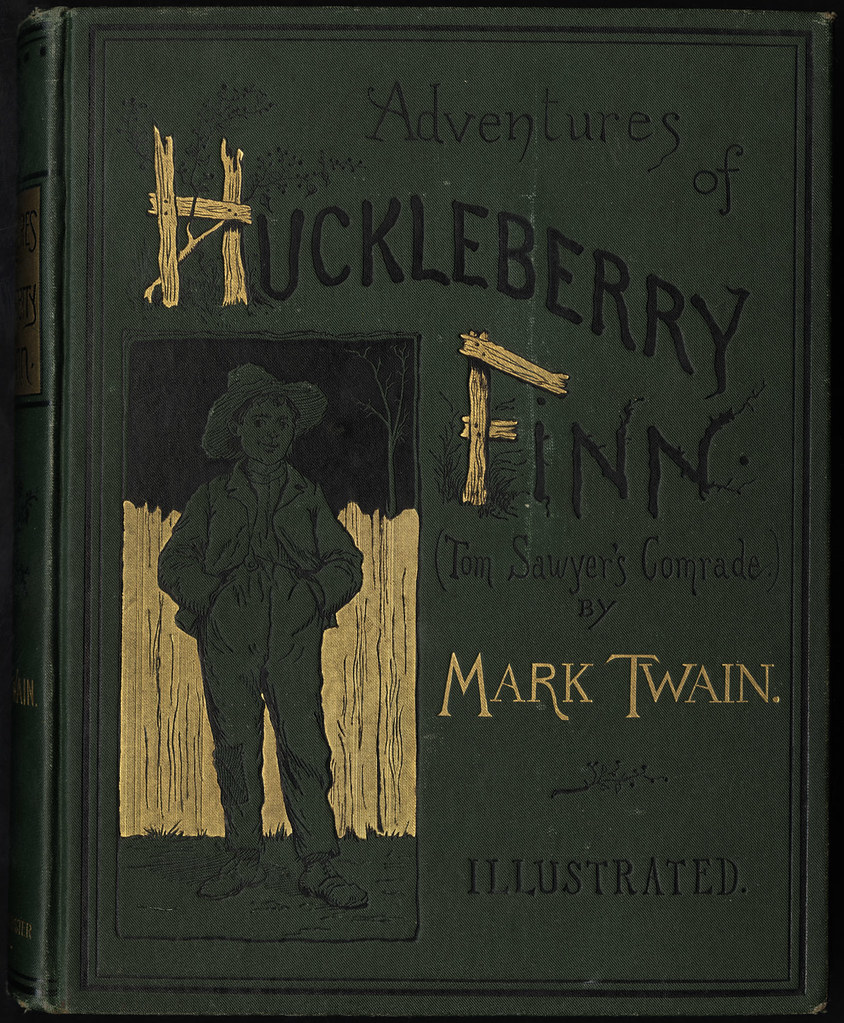
When you select trivia questions, strive to balance between questions that are too simple and those that overly challenge. For instance, asking about the creator of Tom Sawyer and Huckleberry Finn tests knowledge on classic literature, while querying the function of USB—as in, what does Universal Serial Bus stand for—touches on technology in an approachable way.
Subject Matter Relevance
The trivia you include should have a tangible connection to the curriculum or students’ interests. Questions around the best conductor of electricity involve science topics relevant to their studies, while geography can be tested with capitals of countries such as Spain’s Madrid.
Cultural Sensitivity
Ensure that trivia questions are inclusive and considerate of all cultural backgrounds. Avoid any topics that might marginalize a group or individual. Queries about well-known international symbols, like identifying Japan as the Land of the Rising Sun, can celebrate cultural diversity without causing offense.
Types of Trivia Games for Middle School
Exploring different types of trivia games can enhance your students’ learning experience and keep them engaged. Let’s look at some specific formats suitable for middle school students.
Quiz Bowl Formats
In Quiz Bowl formats, your team competes against others to answer questions that span a broad range of academic topics. These competitions emphasize rapid recall of facts and typically feature a moderator who reads questions to which teams buzz in with answers. The National Academic Quiz Tournaments provide resources for starting a Quiz Bowl.
Digital Trivia Platforms
Digital Trivia Platforms like Kahoot! allow you to conduct trivia sessions where students use devices to select answers. They offer a fun and interactive way to gauge understanding in real time, and teachers can customize the questions to align with current lessons. Explore options at websites like Kahoot! for a variety of subjects and difficulty levels.
Board Games and Card Games
Board Games and Card Games designed for middle schoolers can solidify concepts in an entertaining format. Games such as Brain Quest and Professor Noggin series cover various subjects like history and science and are crafted to challenge your students‘ knowledge.
You can find these games at most educational retailers or look for subject-specific trivia games that cater to middle school education standards.
Organizing a Trivia Game Event
When planning a trivia game event for middle school students, careful organization is essential to ensure fun and educational success. From the initial planning stages to the defining of roles and adherence to rules, every aspect demands attention to detail.
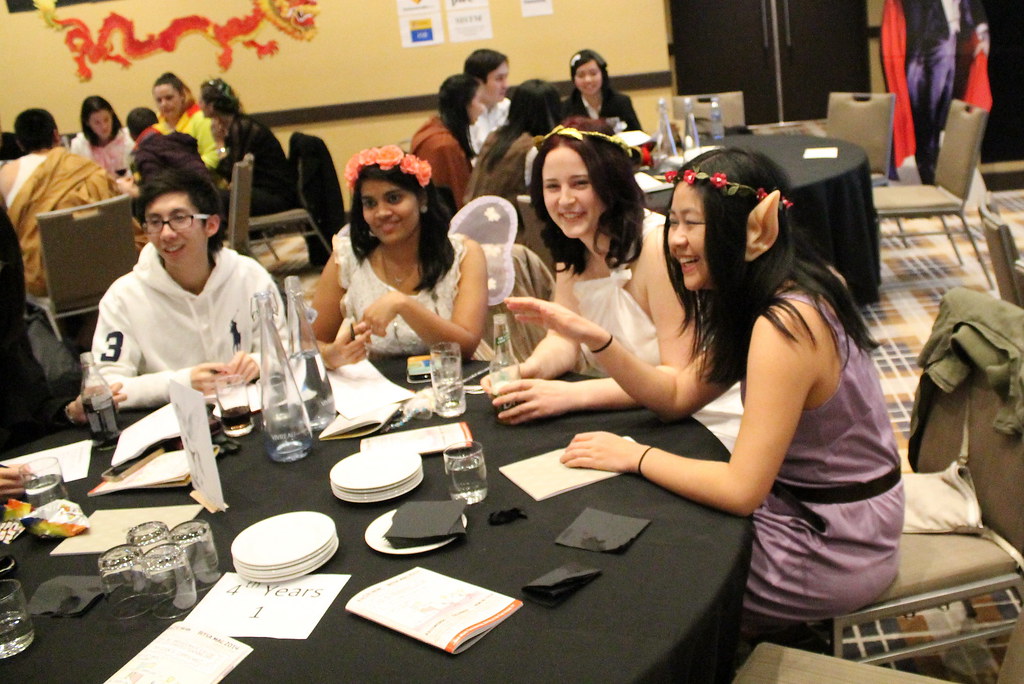
Planning and Logistics
Venue Selection: Choose a location that is accessible and comfortable, ensuring there is ample space for all participants and any AV equipment required.
Date and Time: Set a date and time that does not conflict with other school events and allows for maximum attendance.
Equipment and Supplies:
- Projector and screen for displaying questions.
- Sound system for announcements.
- Writing materials such as pens and answer sheets for each team.
- Prizes for the winning team(s).
Theme and Questions: Select a theme to inspire your trivia night, which can guide the questions and decorations. Ensure a diverse range of categories to engage different interests.
Registration: Establish a system for teams to register beforehand, which assists in logistical planning and provides an estimate of participants.
Roles and Responsibilities
Quizmaster: The individual responsible for reading out questions and enforcing the game flow. Must be articulate and able to manage the crowd.
Scorekeepers: Usually one or two individuals tasked with tallying scores after each round, requiring attention to detail and impartiality.
Judges: If disputes arise, judges are on hand to make final decisions on any answers in question.
Support Staff: Volunteers who can assist with setup, breakdown, and managing the flow of participants.
Rules and Regulations
Number of Rounds: Make clear the total number of rounds and questions in each category. A typical format might include 10 questions across 5 categories.
Time Limits: Define strict time limits for answering each question to keep the event moving smoothly.
Team Size: Set a maximum number of participants per team to ensure fairness. For example, teams might be limited to 4 or 5 members.
Answer Submission: Outline the process for teams to submit answers — typically, answers are written on sheets and handed in at the end of each round.
Scoring System: Establish and communicate the scoring methodology, including any bonus points or tiebreaker rules.
Code of Conduct: Ensure all participants are aware of behavioral expectations to maintain a respectful and engaging environment.
Incorporating Technology in Trivia Games
With the integration of technology, you can make your middle school trivia games more engaging and accessible. Utilizing modern tools not only adds excitement but also caters to the tech-savvy nature of today’s students.
Interactive Whiteboards
Interactive whiteboards offer a dynamic platform for trivia games. You can display questions and let students respond directly on the board. This encourages active participation and can lead to collaborative problem-solving.
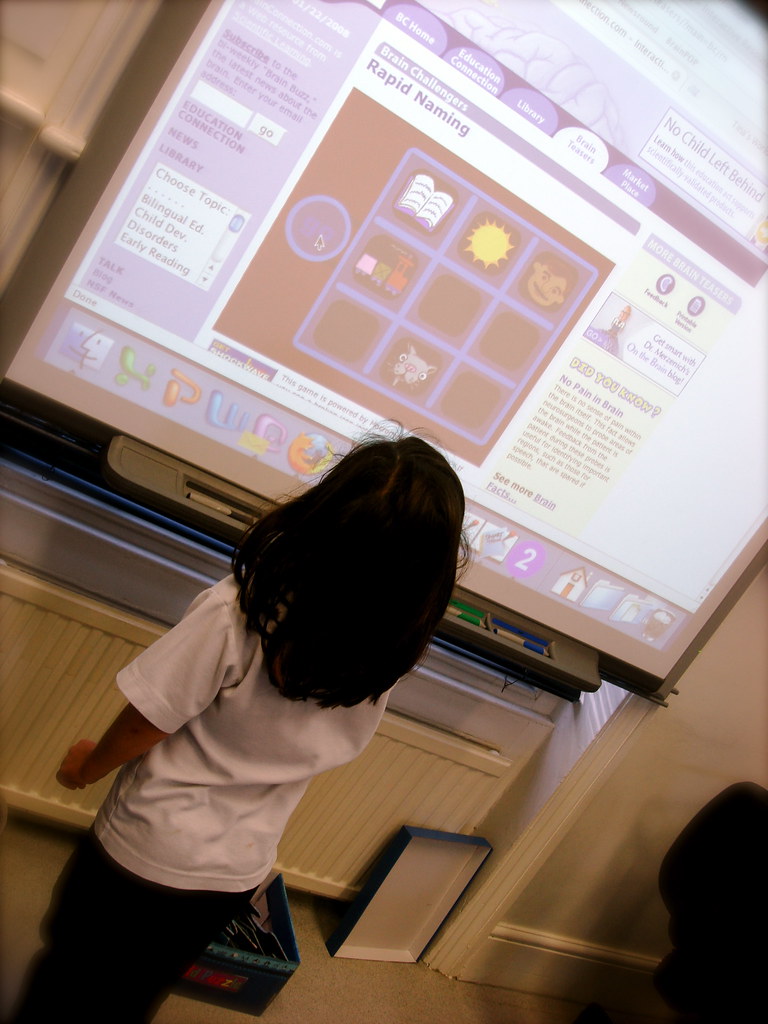
Brands like SMART Board provide these whiteboards with touch recognition, allowing multiple students to use the surface simultaneously for an interactive trivia experience.
Mobile Apps
Leverage mobile apps to engage students in trivia games right from their smartphones or tablets. There are educational apps designed specifically for middle school students that can facilitate trivia games on various topics.
These apps often include features like instant feedback, score tracking, and the ability to host multiplayer trivia sessions. For example, apps like Kahoot! let you create custom trivia quizzes that students can join using a game PIN.
Online Quizzes
Online quizzes can be conducted through educational platforms and websites that support quiz creation and real-time student participation. They provide a vast array of options for question formats, such as multiple-choice, true or false, and short answer.
By using online quizzes, you can instantly evaluate student responses, which helps in providing immediate feedback. Connections Academy, for instance, discusses incorporating technology trivia questions to make learning more engaging, demonstrating a practical application of such tools.
Trivia Game Themes and Topics
When planning a trivia game for middle school students, it’s important to select topics that are both educational and engaging. Your choice of themes can spark interest and cater to a wide range of knowledge and curiosities.
Science and Nature
Uncover the wonders of the natural world with questions that delve into biology, chemistry, and physics. Topics might include photosynthesis and the water cycle, or challenge students with inquiries into astronomy, like identifying the largest planet in our solar system.
History and Geography
Test their knowledge of past events and the diverse landscapes that shape our world. Questions could range from ancient civilizations to modern history milestones, or geographical challenges like naming the ocean between North America and Europe.
Literature and Arts
Dive into the realm of classic and contemporary literature, and explore various art movements. You could ask about famous authors like the creator of Tom Sawyer or engage with questions about different forms and techniques used in visual arts.
Pop Culture and Entertainment

Keep trivia fresh and fun with topics related to current trends, music, movies, sports, and more. This section could include questions on popular television shows, chart-topping music hits, or cultural phenomena that have captured the attention of the youth.
Assessment and Learning Outcomes
Trivial games in middle school aren’t just about having fun—they’re powerful tools for evaluating your students’ learning progression and grasping new concepts. Dive into how these games can sharpen skills, bolster knowledge retention, and provide critical feedback for continuous improvement.
Skill Development
Middle school trivia games are adept at developing a range of critical thinking skills. Through the brisk pace and variety of questions, you hone your analytical and reasoning abilities. Engaging in trivia questions also improves communication skills, as you articulate your thoughts and collaborate with peers.
Knowledge Retention
Trivia games encourage your students to remember and recall information, effectively serving as a tool for knowledge reinforcement. With topics spanning from science to literature, trivia facilitates a comprehensive review in a dynamic format that makes retention more natural and enjoyable.
Feedback and Improvement
Formative assessments using game-based learning are unique in their ability to provide immediate feedback. By participating in fun and games, not only can your students see where they excel, but they also identify areas needing improvement, thus fostering a mindset geared towards self-enhancement.
Frequently Asked Questions about Middle School Trivia Games
Middle school trivia games are a fun and effective way to test knowledge and learn new facts. Below, explore some of the most common questions to spice up your trivia sessions.
What are some engaging pop culture trivia questions suitable for middle school students?
Pop culture keeps evolving, but certain questions can excite and challenge students. Questions may involve identifying popular music hits, new emerging artists, or symbolic movies of this generation that are age-appropriate and relevant.
Can you provide challenging trivia questions for middle schoolers on the subject of history?
When it comes to history, consider asking about significant events, landmarks in civil rights, or the impact of ancient civilizations. These history-related questions can foster a deeper understanding of the past.
Where can I find printable trivia questions for middle school students?
Printable trivia questions offer a ready-made activity for any classroom. Websites like RVing Made Fun have them available, covering various topics suitable for a middle school audience.
How do you create compelling ELA trivia questions for middle school classrooms?
Creating ELA trivia questions involves focusing on literature, grammar, and vocabulary. Ask about famous authors, essential literary devices, or figures of speech to enrich students’ understanding and appreciation of the English language.
Which trivia games are especially popular among middle school students?
Trivia games that combine learning with playful competition, like Jeopardy, or those that feature exciting trivia questions related to current trends, are often hits among middle schoolers.
What are some entertaining and educational trivia questions to ask in a mixed-age, school setting?
In a mixed-age setting, choose trivia questions that span a range of difficulties and subjects. This ensures that everyone is engaged and challenged, fostering an inclusive and educational environment.

What Visiters Had To Say