Crabs are fascinating creatures that live in a variety of habitats, including oceans, rivers, and even on land. They are known for their hard exoskeletons, sharp claws, and unique life cycle. Understanding the life cycle of a crab is essential for anyone interested in marine biology or animal science.
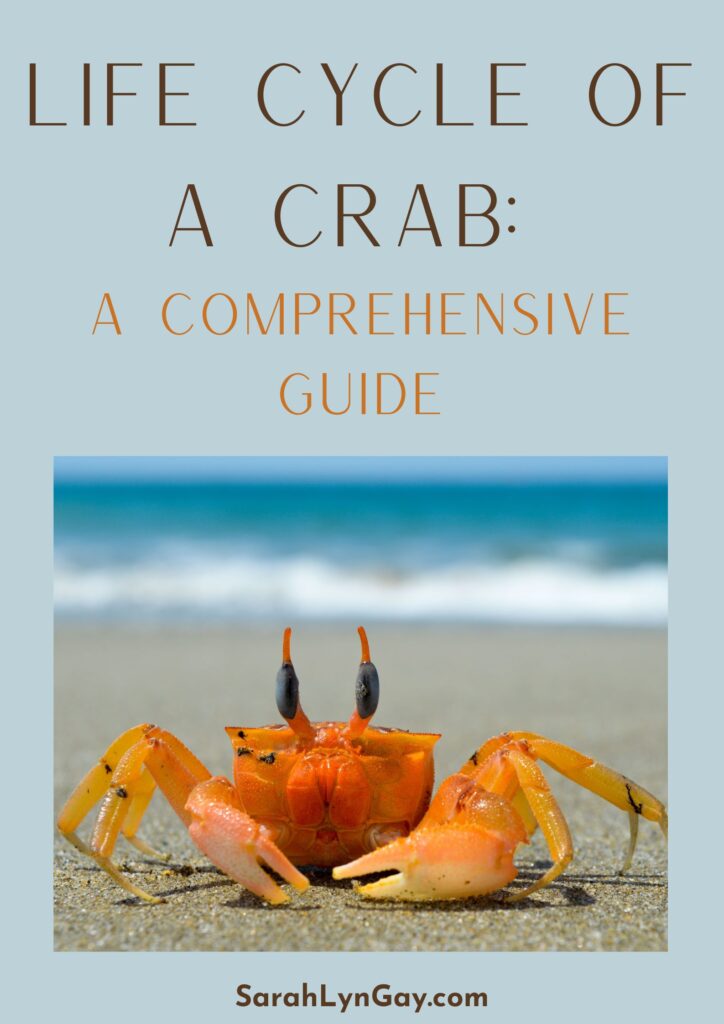
One way to explore the life cycle of a crab is by using worksheets. These worksheets provide a visual representation of the different stages of life, from egg to adult. They also include information about the anatomy, the parts of a crab, and the vocabulary associated with these creatures.
By using these worksheets, students can learn about the different stages their life and gain a deeper understanding of these fascinating animals.
Understanding Crabs
Crabs are fascinating creatures that are found in oceans, rivers, and other water bodies. They belong to the crustacean family, which includes lobsters, shrimps, and crayfish. Crabs have a hard exoskeleton that protects their soft body parts. They also have two claws that they use for defense, feeding, and mating.
Crab Anatomy
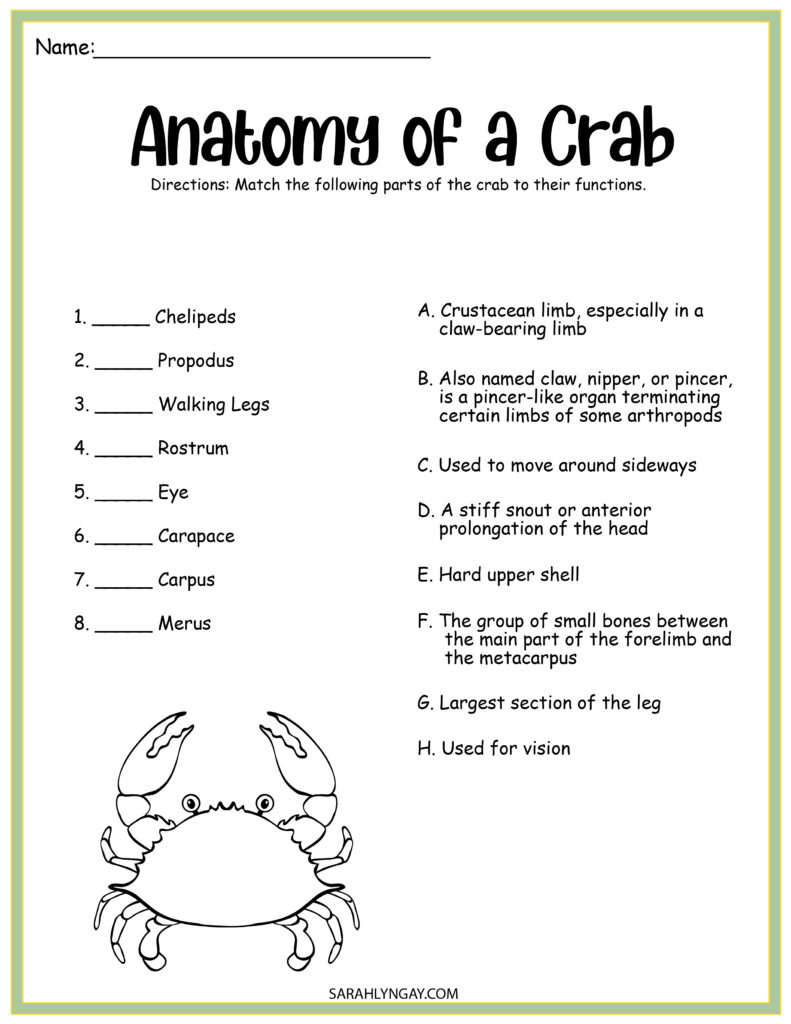
To understand their life cycle, it’s important to know the different parts of their anatomy. Crabs have a head, thorax, and abdomen. Their head has two compound eyes and two pairs of antennae. The thorax has five pairs of legs, with the first pair modified into claws. The abdomen is small and tucked under the thorax.
Crabs also have gills that help them breathe underwater. They have a digestive system that includes a stomach, intestine, and anus. Their nervous system includes a brain and several ganglia that control their movements and behaviors.
Crab Species
There are thousands of species worldwide, each with unique characteristics. Some of the most common species include blue, Dungeness, king, and snow crabs. Each species has its own habitat, diet, and behavior.
Blue crabs are found in the Atlantic Ocean and Gulf of Mexico. They have a distinctive blue color and are known for their sweet meat. Dungeness crabs are found on the West Coast of North America and are prized for their large size and delicious flavor.
King crabs are found in the Bering Sea and are the largest of all crabs, with legs that can span up to six feet. Snow crabs are found in the Arctic Ocean and have a delicate, sweet flavor.
Understanding the anatomy and species is important for learning about their life cycle. By studying these fascinating creatures, we can gain a greater appreciation for the diversity of life in our oceans and waterways.
Life Cycle Stages
The life cycle of a crab is a fascinating process that involves several stages. Understanding these stages is essential for anyone who wants to learn more about these creatures. In this section, we will discuss the four main stages of their life cycle: Eggs, Larval Stages, Juvenile Stage, and Adult Stage.

Eggs
The cycle begins with the egg stage. Females lay thousands of eggs, which they carry under their abdomen until they hatch. The eggs are usually orange or brown in color and are attached to the female crab’s body by a sticky substance. The incubation period for crab eggs varies depending on the species, but it typically takes around two weeks for them to hatch.
Larval Stages
After the eggs hatch, the larvae emerge. These larvae are called zoea and are tiny, transparent, and have a long tail. They feed on plankton and grow rapidly, molting several times as they develop. After several weeks, the zoea metamorphose into megalopa, which is the second larval stage. The megalopa looks more like a miniature crab, with claws and legs, and they continue to feed on plankton.
Juvenile Stage
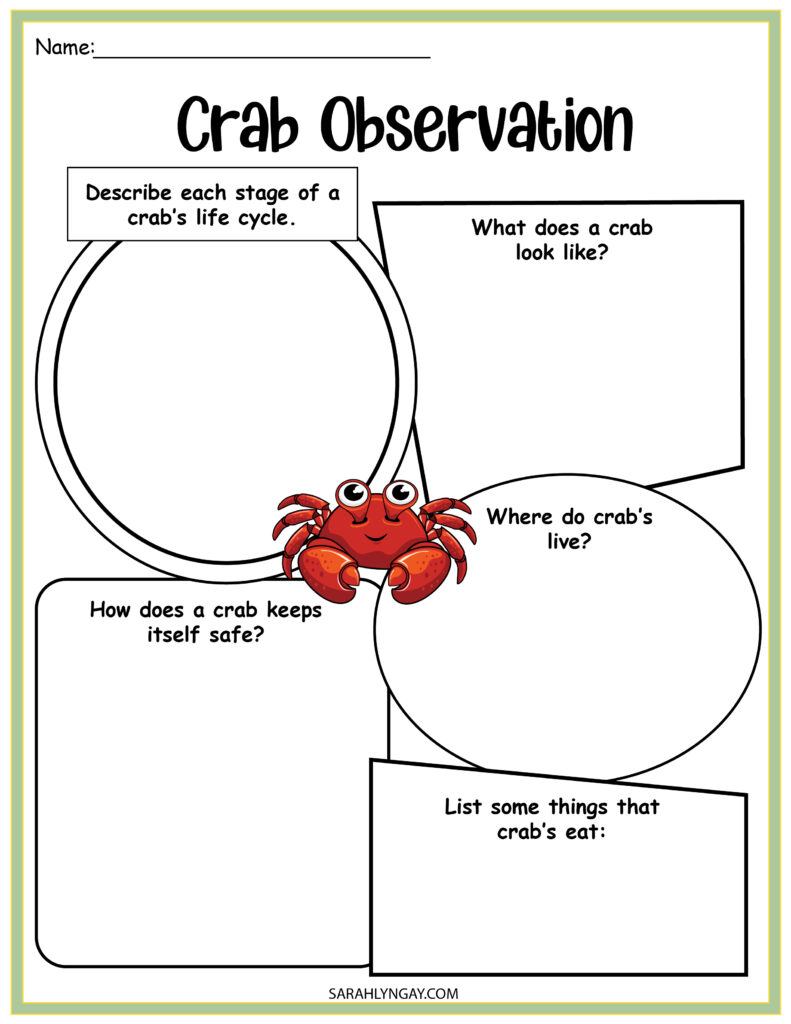
After the megalopa stage, the crab enters the juvenile stage. At this point, it has developed the characteristic shape of a crab and has four pairs of legs and a pair of claws. They continue to molt as they grow, shedding their hard exoskeleton to make room for larger ones. During this stage, the crab begins to feed on small organisms such as snails, clams, and other crabs.
Adult Stage
The final stage of the crab’s life cycle is the adult stage. At this point, the crab has reached sexual maturity and is capable of reproducing. The adult has a hard exoskeleton, which protects it from predators and the environment. They continue to molt throughout their adult life, but the frequency of molting decreases as they age. The adult feeds on a variety of organisms, including fish, mollusks, and even other crabs.
The life cycle is a complex process that involves several stages. Understanding these stages is crucial for anyone who wants to learn more about these fascinating creatures. By knowing the different stages of a crab’s life cycle, you can better appreciate their unique characteristics and behaviors.
Crab Mating Habits
Crabs are crustaceans that reproduce sexually. During mating, the male transfers sperm to the female crab, who stores it in a sac called the spermatheca. The crab can use the stored sperm to fertilize her eggs at a later time.
The mating habits vary depending on the species. Some species mate only once a year, while others mate several times a year. Some crabs mate during a specific time of year, while others mate year-round.
In some species, males attract females by performing a courtship dance or by waving their claws. Once the female is receptive, the male grasps her with his claws and turns her over onto her back. He then deposits his sperm into the female’s spermatheca.
After mating, the female crab carries her fertilized eggs in a mass attached to her abdomen. The eggs hatch into larvae, which go through several stages of development before becoming adult crabs.
It is important to note that some species of crabs reproduce asexually, meaning they can produce offspring without mating. However, this method of reproduction is less common than sexual reproduction in crabs.
Crab Molting Process
One of the most important aspects of a crab’s life cycle is its molting process. Molting is the process of shedding and replacing the old exoskeleton with a new one. This process is essential for their growth and development.
The molting cycle is divided into four stages: inter-molt, pre-molt, ecdysis (shedding), and post-molt. During the inter-molt stage, the crab is actively growing and developing. The pre-molt stage is characterized by the crab’s preparation for shedding its old exoskeleton.
The ecdysis stage is the actual shedding of the old exoskeleton, and the post-molt stage is the recovery and hardening of the new exoskeleton.
The molting process is a complex and stressful process for the crab. It requires a lot of energy and can take up to several hours to complete. During the pre-molt stage, the crab secretes an enzyme that softens the old exoskeleton, making it easier to shed. The crab then absorbs water to expand its body and break free from the old exoskeleton.
After shedding the old exoskeleton, it is left with a soft and vulnerable body. During the post-molt stage, the crab hardens its new exoskeleton by absorbing calcium from its environment. This process can take several days, during which the crab is at a higher risk of predation.
The molting process is a crucial part of a crab’s life cycle. It allows the crab to grow and develop, but it is also a stressful and dangerous process. Understanding the molting process is important for anyone interested in the life cycle of crabs.
Crab Predators and Threats
Crabs are an important part of the marine ecosystem, but they face many threats from predators and human activities.
Predators
- Fish: Many species of fish prey on crabs, including cod, flounder, and halibut. These fish use their strong jaws and teeth to crush the hard shells of crabs.
- Octopuses: Octopuses are skilled predators that can catch and kill crabs using their strong tentacles and beak-like mouth.
- Birds: Some species of birds, such as gulls and herons, feed on crabs that live near the shore. These birds use their sharp beaks to break open the shells of crabs.
Threats
- Habitat loss: Crabs rely on specific habitats to survive, such as tidal pools, estuaries, and mangrove swamps. Human activities such as coastal development and dredging can destroy these habitats, making it difficult for them to survive.
- Pollution: Pollution from oil spills, agricultural runoff, and other sources can harm crabs by contaminating their food sources and damaging their habitats.
- Overfishing: Overfishing can reduce the number of fish and other marine creatures that crabs rely on for food, leading to starvation and population decline.
- Climate change: Rising sea levels and changes in ocean temperatures can affect the habitats and food sources of crabs, making it difficult for them to survive.
It is important to protect crabs and their habitats to ensure the health of the marine ecosystem. By reducing pollution, protecting habitats, and practicing sustainable fishing practices, we can help ensure the survival of these important creatures.
Crab Conservation
Conservation efforts are important to ensure the long-term survival of crab populations.
- Regulations on crabbing: Many areas have regulations on when and how many crabs can be caught. It’s important to follow these rules to avoid overfishing and to give crab populations a chance to recover.
Protecting habitats: Maintaining healthy habitats is crucial for the survival of crabs. Coastal development, pollution, and climate change can all harm crab habitats. Efforts to reduce pollution and protect coastal areas can help preserve crab habitats.
Reducing bycatch: Crabbing can sometimes result in the unintentional capture of other marine animals, known as bycatch. By using specialized gear and techniques, crabbers can reduce the amount of bycatch and minimize harm to other species.
Educating the public: Raising awareness about the importance of crab conservation can help encourage people to take action. This can include educating the public about the role that crabs play in the ecosystem and the threats they face.
By taking these steps, we can help ensure that crab populations remain healthy and sustainable for years to come.
Check out our Crab Life Cycle Activity Set in our Etsy store HERE: Crab Life Cycle, Crabs, All About Crabs, Instant Download, STEM Workbook, Digital Download, Kids’s Workbook
Frequently Asked Questions
What are the stages in the life cycle of a crab?
The life cycle of a crab consists of several stages, including the egg, zoea, megalopa, juvenile, and adult stages. During the egg stage, the female crab lays eggs, which hatch into larvae. The larvae then go through several molts, becoming zoea and then megalopa. After the megalopa stage, the crab becomes a juvenile and eventually matures into an adult.
How long does it take for a crab to go through its life cycle?
The length of time it takes for a crab to go through its life cycle depends on the species. Some species can complete their life cycle in as little as a few months, while others may take several years.
What are some adaptations that crabs have to survive in their environment?
Crabs have several adaptations that help them survive in their environment. For example, they have a hard exoskeleton that protects them from predators and helps them retain moisture. They also have powerful claws that they can use for defense and to catch prey. Additionally, many species of crabs are able to camouflage themselves to blend in with their surroundings.
What is the purpose of the larval stage in a crab’s life cycle?
The larval stage is an important part of a crab’s life cycle because it allows the crab to disperse and colonize new areas. During the larval stage, the crab is able to drift with the ocean currents and travel long distances before settling in a new location.
How do crabs reproduce?
Crabs reproduce through sexual reproduction. The male crab fertilizes the eggs of the female crab, which are then laid and hatched into larvae. Some species of crabs also have complex courtship rituals that involve visual displays and chemical signals.
What are some common predators of crabs during their life cycle?
Crabs have several predators throughout their life cycle, including birds, fish, and other crabs. Additionally, humans are a major predator of many crab species, as crabs are often harvested for food or used as bait.

What Visiters Had To Say