Understanding how to effectively use keywords in a sentence is essential for both clear communication and SEO optimization. Keywords are the cornerstone of any content, serving as the focus points that help readers and search engines alike to understand the primary topics and themes of your text. When seamlessly integrated, they maintain the flow of the writing while highlighting the main ideas.

The art of incorporating keywords lies in their natural placement within your content. Rather than disrupting the reader with jarring repetition or awkward phrasing, they should enhance the readability and add value to your message. This strategic approach not only improves the user experience but also increases the visibility of your content in search engine rankings, as websites like The Content Authority suggest.
To master this technique, it is helpful to see practical examples of keywords in a sentence used in various contexts. Looking at different sentences can demonstrate the balance between keyword density and the organic feel of natural language, which is vital for optimal content creation. Exploring resources such as YourDictionary.com provides a variety of examples that can enrich your understanding of keyword utilization.
Understanding Keywords
In constructing your sentences, recognizing the function and placement of keywords is crucial for communication and search engine optimization.
Definition of Keywords
Keywords are specific words or phrases that encapsulate the main ideas of a piece of content. They are often the focal points that convey the subject matter succinctly. Understanding how to use keywords requires a grasp of these linguistic signposts.
Importance of Keyword Placement
The effective placement of keywords in your sentences determines how easily your content can be found and understood. For optimal readability and searchability, strategically position keywords in titles, headings, the first sentence of paragraphs, and towards the beginning and end of your content.
Keyword Density and SEO
Keyword density is the frequency with which keywords appear in your content, typically measured as a percentage of the total word count. Maintaining a balance is essential; too low and your content may not rank well, too high and it could be penalized for ‘keyword stuffing.’ Aim for a keyword density that enhances SEO without compromising the natural flow of your writing.
Types of Keywords
In SEO and digital marketing, understanding keyword types is crucial for your strategy. Different keywords serve varying purposes, from increasing traffic to targeting specific audiences.
Short-Tail Keywords

Short-tail keywords are typically one to three words long. They have a broad search scope and high search volume, but also face high competition. For example, “shoes” or “basketball court” may serve as short-tail keywords.
Long-Tail Keywords
Conversely, long-tail keywords generally exceed three words. They are more specific, attract a targeted audience, and often have a lower search volume but higher conversion rates, such as “women’s waterproof hiking boots”.
Branded vs Non-Branded Keywords
Your strategy must differentiate between branded and non-branded keywords. Branded keywords include the brand’s name (“Nike running shoes”), while non-branded keywords do not (“running shoes”).
Evergreen Keywords
Lastly, evergreen keywords are phrases that remain relevant over a long period. These keywords consistently generate traffic, like “how to tie a tie”.
Creating Effective Sentence Structures
In the realm of writing, crafting sentences that are both informative and engaging hinges on the strategic use of keywords. The essence lies in melding these keywords naturally within the sentence while ensuring the content remains accessible and interesting to the reader.
Incorporating Keywords Smoothly
To seamlessly integrate keywords into your sentences, focus on their relevance to the topic and their fit within the context. Use keywords sparingly, so they enhance the message without overwhelming the reader. For example, if ‘organic gardening’ is a keyword, you might write, “Adopting organic gardening practices can significantly improve soil health.”
Avoiding Keyword Stuffing
Resist the temptation to cram your content with an excessive number of keywords. This practice, known as keyword stuffing, not only disrupts the flow of your writing but also can detrimentally impact the reader’s experience and the content’s performance on search engines.
A balanced sentence might say, “Learn how to create sustainable landscapes,” rather than, “Learn sustainable landscapes methods, sustainable landscapes designs, and sustainable landscapes benefits in your approach.”
Sentence Variation and Readability
Maintaining readability involves using a variety of sentence structures. This variation keeps the content dynamic and retains the reader’s interest. Combine short, impactful sentences with longer, compound or complex sentences to provide a pleasant reading rhythm.
Sentences like “Expert gardeners often prefer natural fertilizers. They understand these nourish plants more gently over time,” demonstrate effective variety within sentence structure.
Keyword Examples in Various Contexts
Incorporating the right keywords is crucial for the visibility and relevance of your content across different styles of writing. Understand how keyword usage varies by context to enhance your writing strategy.
Examples in Marketing Content
In marketing material, your keywords should mirror the search terms your audience uses to find products or services like yours. For example, a company specializing in sustainable fashion might target keywords such as “eco-friendly apparel” or “sustainable clothing brands.”
- Short-tail Keywords: Typically broad and highly competitive, like “marketing software”.
- Long-tail Keywords: More specific and less competitive, such as “affordable email marketing software for small businesses”.
Examples in Academic Writing
Academic writing requires precise and subject-specific keywords that accurately reflect the content. If you’re writing a paper on renewable energy, appropriate keywords could include “solar power efficiency” or “renewable energy policy.”
- Subject Keywords: Core concepts like “quantum mechanics”.
- Descriptive Keywords: Elaborative terms, for instance, “Heisenberg uncertainty principle”.
Examples in Blog Posts
Keywords in blog posts should be seamlessly integrated to maintain readability while optimizing for search engines. If you’re blogging about healthy diets, keywords could range from “nutritious vegan recipes” to “benefits of a plant-based diet.”

- Primary Keywords: Main focus of the post, such as “healthy eating habits”.
- Secondary Keywords: Support the main keyword, like “nutrition tips,” “weight loss,” and “whole foods”.
Examples in Technical Writing
Technical writing is all about clarity and precision. Keywords are used to help the reader understand complex information. For documents on computer security, keywords such as “network encryption standards” and “cybersecurity best practices” would be relevant.
- Industry-Specific Keywords: Specialized vocabulary, e.g., “aerogel insulation properties”.
- Process-Oriented Keywords: Relate to procedures or operations, for example, “software development lifecycle”.
Analyzing Keyword Use
When optimizing content, understanding how keywords function within a sentence is essential for effective SEO. This examination can greatly influence your content’s visibility and relevance to search queries.
Tools for Keyword Analysis
To start, utilize tools like YourDictionary’s examples to study keyword integration in sentences. Advanced platforms such as SEMrush’s Keyword Analysis offer insights into keyword trends and performance, helping you pinpoint optimal terms for your content.
Evaluating Sentence Context
Each keyword should be considered in the context of the sentence to ensure it aligns with user intent. For example, the word “apple” can refer to the fruit or the tech company, so context is key. Analyze how keywords are used in various sentence structures to maintain clarity and focus.
Assessing Content Relevance
Finally, your keywords must be directly relevant to your content. Tools like WordStream’s Keyword Analysis can aid in identifying not just high-traffic keywords but also those most applicable to your subject matter. This ensures your content can effectively reach and engage the intended audience.
Best Practices for Keywords in Sentences
Incorporating keywords effectively in your sentences is crucial for SEO while ensuring the readability of your content.
Strategic Keyword Positioning
When placing keywords in your sentences, keep in mind their strategic importance. Ideally, include your primary keyword within the first 100 words of your content. This practice helps search engines understand the main topic quickly. Additionally, try to place keywords in headings, subheadings, and toward the beginning of your paragraphs to enhance visibility.
Balancing Keywords With Content Quality
Your keyword usage should always serve the dual purpose of satisfying search engines and engaging readers. Never compromise the readability of your text for the sake of incorporating keywords. Aim for a natural flow by seamlessly integrating keywords, ensuring the content remains informative and user-friendly.
Using Synonyms and Related Terms
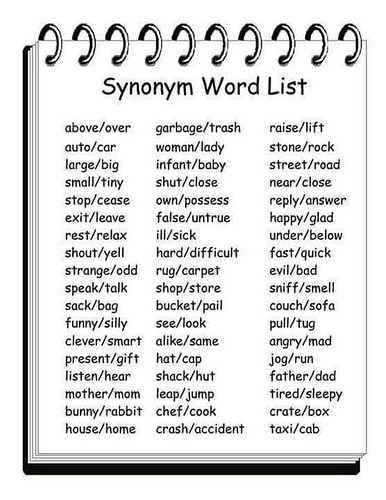
To avoid keyword stuffing, utilize synonyms and related terms to paint a comprehensive lexical picture for your topic. Employing LSI keywords (Latent Semantic Indexing) — terms and phrases related to your main keywords — can help search engines grasp the context of your content. This approach contributes to the relevance and depth of your content, which can result in better search ranking performance.
Frequently Asked Questions about Examples of Keywords in a Sentence
In this section, you’ll find targeted answers to common queries regarding the utilization of keywords across various fields. Each question is designed to provide you with a concise understanding of keywords’ roles and applications in different contexts.
How do I effectively use keywords in a research context?
To use keywords effectively in research, integrate terms that are central to your topic within the abstract, title, and throughout the body of your work. This ensures that your research is easily discoverable within academic databases and search engines.
Can you provide a list of commonly employed keywords in digital marketing?
Commonly used keywords in digital marketing include “SEO,” “conversion rate,” “analytics,” “content marketing,” and “PPC.” Utilizing these terms can enhance your digital strategy and improve online visibility.
What is the significance of keywords in computer programming?
Keywords in computer programming are reserved words that have a specific, predefined meaning in the language’s syntax. They are instrumental in structuring the code’s logic, such as “if,” “else,” “while,” and “return.”
Could you give examples of the impact of keywords in linguistics?
In linguistics, keywords can reflect cultural significance and linguistic trends. For instance, the increased use of “sustainability” and “globalization” showcases changing societal focuses.
In what ways do keywords influence search engine optimization strategies?
Keywords are the cornerstone of SEO strategies, as they guide search engines in categorizing content and serve as the link between what people are searching for and the content you are providing.
What techniques can I use to determine the best keywords for content creation?
To determine the best keywords, conduct keyword research using tools like Google Keyword Planner, analyze search trends, and study your target audience’s language. Implementing keywords that closely match your audience’s search intent can greatly improve your content’s reach.

What Visiters Had To Say