The life cycle of bees is a fascinating and complex process that involves several stages. Bees play a crucial role in pollinating plants and producing honey, making them an essential part of our ecosystem. Understanding the Bee Life Cycle can help us appreciate their importance and take steps to protect them.

The life cycle of bees begins with the queen laying eggs in the hive. The eggs hatch into larvae, which are fed by worker bees and grow rapidly. After a few days, the larvae spin cocoons and enter the pupal stage. During this stage, they undergo metamorphosis and develop into adults. The entire life cycle of a bee takes around 21 days for workers, 24 days for drones, and 16 days for queen.
It is important to note that the life cycle can vary depending on several factors, such as temperature, humidity, and food availability. Understanding these factors can help beekeepers and conservationists create optimal conditions for bees to thrive. Overall, studying the life cycle of bees can help us appreciate their importance and take steps to protect them.
Bee Life Cycle Basics
The life cycle consists of four stages: egg, larva, pupa, and adult. Each stage is unique and plays an essential role in the development of a bee.
Egg Stage
The first stage of a bee’s life cycle is the egg stage. Eggs are laid by the queen and typically last for three days. During this stage, the eggs are kept warm and nourished by worker bees until they hatch into larvae.
Larva Stage
After the eggs hatch, the bee enters the larva stage. During this stage, the insect grows rapidly and is fed a protein-rich diet of pollen and honey by worker bees. The larva stage lasts for about six days, and during this time, the bee undergoes several molts, shedding its skin and growing larger each time.
Pupa Stage

The pupa stage is the third stage of the life cycle and is characterized by the transformation of the larva into an adult bee. During this stage, the bee spins a cocoon around itself and undergoes metamorphosis, transforming into its adult form. This stage lasts for about 12 days for workers and drones and up to 16 days for queen bees.
Adult Stage
The final stage of a bee’s life cycle is the adult stage. Once it emerges from its cocoon, it is a fully-formed adult. Worker bees typically live for six weeks, drones for 30-60 days, and queens for 3-6 years. During this stage, worker bees perform a variety of tasks, including collecting nectar and pollen, caring for the queen and young bees, and building and maintaining the hive.
The life cycle of a bee is a fascinating and complex process that plays a vital role in the survival of the hive. Each stage of the cycle is essential, and understanding the basics of the life cycle is crucial for beekeepers and anyone interested in these amazing creatures.
Detailed Examination of Bee Life Cycle
Queen Bee Role
The queen bee is the most important in the hive. She is responsible for laying eggs and ensuring the survival of the colony. The queen is larger than the other bees and has a longer lifespan. She can live up to 3-6 years, while the workers and drones have a significantly shorter lifespan.
The queen bee lays eggs in the cells of the hive. She can lay up to 2,000 eggs per day during the peak of the season. The eggs are fertilized by the drones, and the queen can control the sex of the eggs she lays. Fertilized eggs become female worker bees, while unfertilized eggs become male drones.
Worker Bee Role
Worker bees are females that do most of the work in the hive. They are responsible for collecting nectar and pollen, caring for the larvae, and protecting the hive. Worker bees have a lifespan of 6 weeks to 6 months, depending on their role in the hive.
The worker bees go through several stages of development, including egg, larva, pupa, and adult. During their development, they are fed royal jelly, a special food produced by the worker bees. Royal jelly contains essential nutrients that help the larvae grow and develop.
Drone Bee Role
Drone bees are males that are responsible for mating with the queen. They have a shorter lifespan of 30 to 60 days. Drone bees do not have a stinger and do not collect nectar or pollen. They are larger than worker bees and have bigger eyes.
Drone bees are produced in the hive during the spring and summer months. They are fed royal jelly during their development, just like the worker bees. Once they reach adulthood, they leave the hive to mate with the queen. After mating, the drones die, and their bodies are removed from the hive by the worker bees.
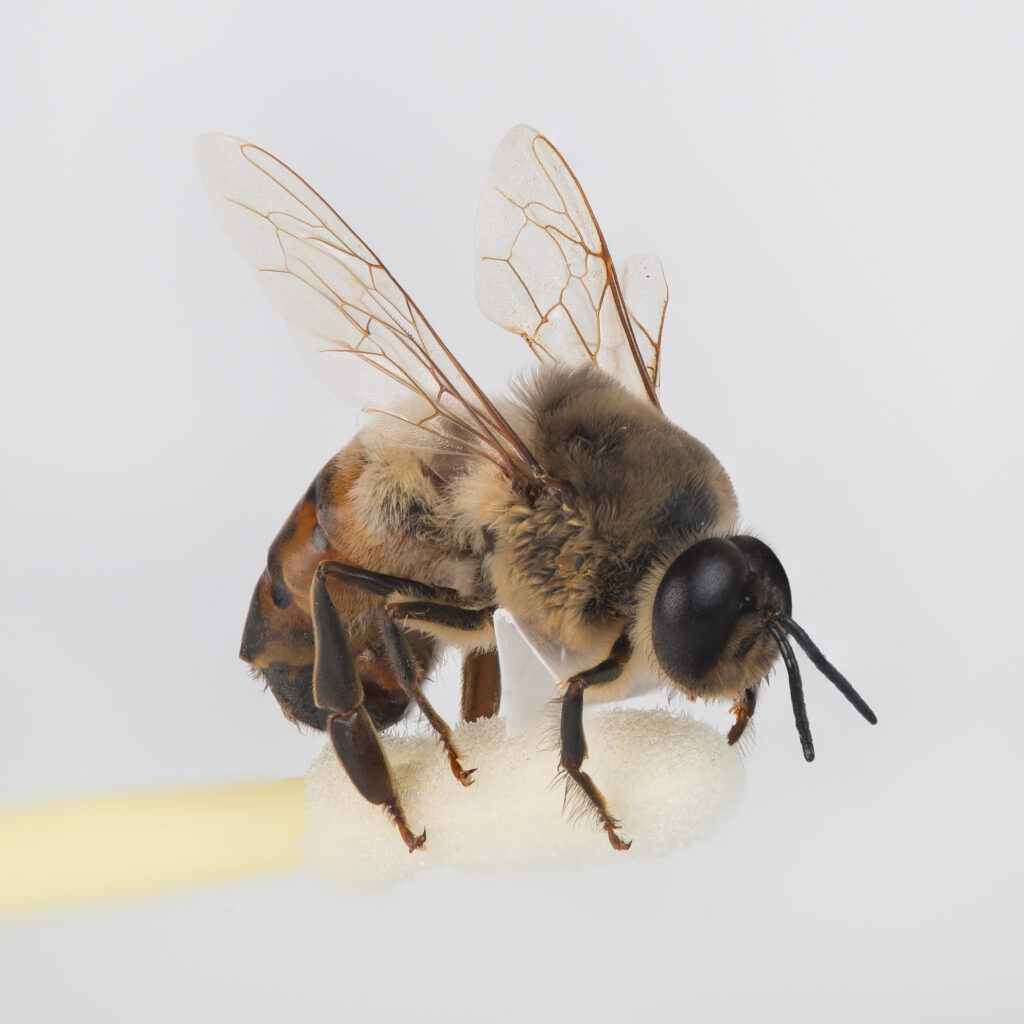
The bee life cycle is fascinating and complex. Each bee plays an important role in the survival of the colony. The queen is responsible for laying eggs, while the worker bees collect nectar and pollen and care for the larvae. The drone bees mate with the queen and ensure the survival of the colony. Understanding the life cycle of bees is crucial to their conservation and the pollination of plants.
Factors Affecting Bee Life Cycle
There are several factors that affect the life cycle, including seasonal changes, environmental factors, and human impact.
Seasonal Changes
Bees are highly sensitive to seasonal changes, which can have a significant impact on their life cycle. For example, during the winter months, bees become less active and consume stored honey to survive. As the weather warms up, they become more active and begin foraging for nectar and pollen.
During the spring and summer months, bees go through a rapid life cycle, with eggs hatching into larvae and then developing into adults in just a few weeks. As fall approaches, they begin to slow down and prepare for winter, with the queen laying fewer eggs and the colony focusing on storing food for the colder months.
Environmental Factors
Environmental factors such as habitat, climate, parasites, pesticides, and predators can also have a significant impact on the life cycle of bees. For example, habitat loss due to urbanization or agricultural practices can reduce the availability of food and nesting sites for bees, making it harder for them to survive.
Pesticides and other chemicals can also be harmful to bees, affecting their ability to forage, navigate, and reproduce. Parasites such as varroa mites can weaken bee colonies and make them more vulnerable to disease, while predators such as birds and other insects can also pose a threat to bees.
Human Impact
Human activities such as deforestation, pollution, and climate change can also have a significant impact on the life cycle. Climate change, for example, can affect the timing of seasonal events such as flowering and bee emergence, making it harder for bees to find food and reproduce.
Pollution from pesticides, herbicides, and other chemicals can also be harmful, affecting their health and ability to reproduce. Finally, human activities such as habitat destruction and land-use change can reduce the availability of food and nesting sites, making it harder for them to survive and reproduce.
The life cycle is influenced by a range of factors, including seasonal changes, environmental factors, and human impact. Understanding these factors is essential for protecting bee populations and ensuring their continued survival.
Bee Life Cycle and Pollination
Bees play a critical role in our ecosystem by pollinating plants and crops. Understanding their life cycle is essential to appreciate their importance and how they contribute to our food supply.
A typical life cycle consists of four stages: egg, larva, pupa, and adult. The queen lays an egg in a cell of the honeycomb, and after three days, the egg hatches into a larva. The larva is fed a mixture of pollen and nectar by the worker bees until it is fully grown. The larva then spins a cocoon and transforms into a pupa. After about two weeks, the adult emerges from the cocoon.
Pollination is the transfer of pollen from the male part of the flower to the female part, allowing the plant to produce seeds. Bees are essential pollinators because they collect pollen and nectar from flowers to feed their young. As bees visit flowers, they transfer pollen from one flower to another, fertilizing the plant and allowing it to produce fruit and seeds.
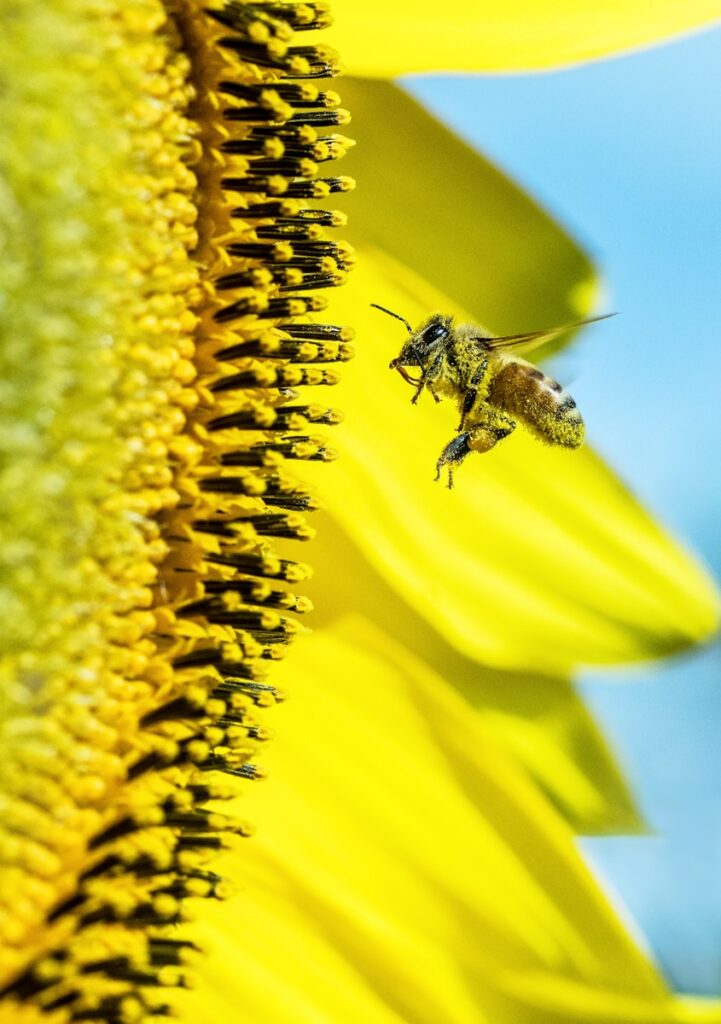
Different types of bees have different preferences for the flowers they visit. For example, honeybees prefer flowers with a high sugar content, while bumblebees prefer flowers with deep corollas that they can crawl into. By visiting different types of flowers, bees help ensure the pollination of a wide variety of plant species.
Understanding the life cycle and their role in pollination is essential to appreciate their importance in our ecosystem. By protecting bees and their habitats, we can help ensure the pollination of crops and the production of food for future generations.
Threats to Bee Life Cycle
Bees play a crucial role in pollinating plants, and their life cycle is vital to the health of our ecosystem. However, they face several threats that can impact their life cycle and, ultimately, their survival. Here are some of the significant threats that they face.
Pesticides
Pesticides are one of the most significant threats to bees. The use of pesticides in agriculture can lead to the contamination of nectar and pollen, which bees consume. Pesticides can also lead directly to their death. Exposure to pesticides can lead to developmental issues, poor navigation, and decreased immune function.
Habitat Loss
Habitat loss is another significant threat. The destruction of natural habitats due to urbanization, deforestation, and agriculture can lead to a lack of food and nesting sites. The loss of habitat can also lead to a decrease in the diversity of plant species, which can impact the quality and quantity of food available.
Diseases and Parasites
Bees are susceptible to several diseases and parasites that can impact their life cycle. Varroa mites are one of the most significant threats to bees and can lead to the death of entire colonies. Other parasites, such as wax moths and small hive beetles, can also impact the health of bees. Diseases, such as American Foulbrood and European Foulbrood, can lead to the death of bee larvae and the destruction of entire colonies.
Bees are facing several threats that can impact their life cycle and survival. It is crucial to take steps to protect them and their habitats to ensure their continued existence and the health of our ecosystem.
Conservation Efforts for Bees
Bees play a crucial role in pollinating crops and maintaining the balance of ecosystems. However, bee populations around the world are declining at an alarming rate due to habitat loss, pesticide use, and climate change. Conservation efforts are essential to protect them and ensure their survival.
Providing Nesting Sites
Many bee species are solitary and require specific nesting sites to lay their eggs. Providing nesting sites can help support bee populations.
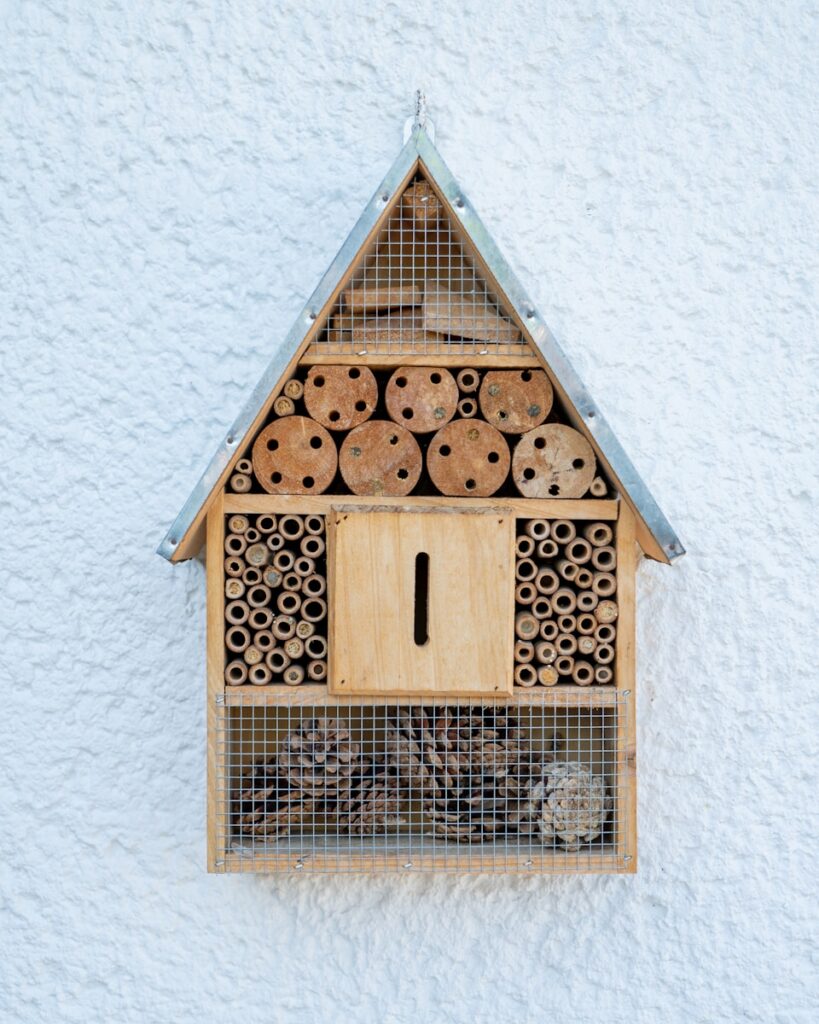
- Installing bee houses: Bee houses can be made from natural materials like bamboo or drilled wood blocks. These houses provide nesting sites for solitary bees like mason and leafcutter bees.
- Leaving bare ground: Ground-nesting bees require bare ground to dig their nests. Leaving some areas of soil exposed can provide nesting sites.
Planting Bee-Friendly Gardens
Planting a variety of flowering plants can provide bees with a diverse source of nectar and pollen.
- Choosing native plants: Native plants are adapted to the local climate and provide a reliable source of food for bees.
- Planting a variety of flowers: Different bee species have different preferences for flower shape, color, and scent. Planting a variety of flowers can attract a diverse range of bees.
Reducing Pesticide Use
Pesticides can be harmful to bees and other pollinators. Reducing pesticide use can help protect bees.
- Using natural pest control methods: Natural pest control methods like companion planting and crop rotation can help reduce the need for pesticides.
- Using pesticides responsibly: If pesticides are necessary, use them in the evening when bees are less active and avoid spraying flowering plants.
Conservation efforts are essential to protecting bees and ensuring their survival. By providing nesting sites, planting bee-friendly gardens, and reducing pesticide use, we can support their populations and maintain the balance of ecosystems.
Frequently Asked Questions
What are the stages of a honey bee’s life cycle?
Honey bees undergo four stages of development: egg, larva, pupa, and adult. The egg is laid by the queen and hatches into a larva after three days. The larva is fed royal jelly for the first three days and then a mixture of royal jelly and pollen for the next six days. The larva then spins a cocoon around itself and enters the pupa stage. After about 12 days, the adult emerges from the cocoon.
How long does it take for a honey bee to develop from an egg to an adult?
The time it takes for a honey bee to develop from an egg to an adult varies depending on the type of bee. Queen bees take 16 days to develop, worker bees take 21 days, and drones take 24 days.
What is the role of the queen bee in the honey bee life cycle?
The queen bee is responsible for laying eggs, which will hatch into the next generation. She also releases pheromones that regulate the behavior of the others in the colony.
How do honey bees care for their larvae?
Honey bees care for their larvae by feeding them a mixture of royal jelly and pollen. They also keep the larvae at a constant temperature of around 95 degrees Fahrenheit.
What factors affect the life span of a honey bee?
The life span of a honey bee is affected by various factors, including genetics, nutrition, and exposure to pesticides and other toxins.
How do honey bees determine which larvae will become queen bees?
Honey bees determine which larvae will become queens by feeding them royal jelly exclusively. The larvae that are fed royal jelly will develop into queens, while those that are not will develop into workers.

What Visiters Had To Say