Deer are fascinating creatures that are known for their grace, agility, and beauty. Their life cycle is a complex process that begins in the fall during the rutting season, when the males compete for the right to mate with the females. Once the mating process is complete, the females will carry their young throughout the winter months, with the arrival of fawns occurring in the spring.
During the first few weeks of their lives, fawns are vulnerable and rely heavily on their mothers for protection and nourishment. As they grow older, they become more independent and begin to explore their surroundings.
Throughout their lives, deer will continue to adapt to their environment and face a variety of challenges, including predators, disease, and changes in their habitat. Understanding the deer life cycle is essential for anyone who wants to appreciate these magnificent creatures and help ensure their survival in the wild.
Deer Life Cycle Basics
Deer are fascinating creatures that have a unique life cycle. Understanding their life cycle can help us appreciate and protect these beautiful animals. Here are some basics of the deer life cycle.
Mating and Reproduction
The life cycle of deer begins in the fall during the rutting season, where male deer, also known as bucks, compete with each other to mate with females, also known as does. The strongest and most dominant bucks are usually the ones that mate with the does. After mating, the doe will carry the fawn for approximately 6-7 months.
Birth and Early Life
Most fawns are born in late spring or early summer. At birth, fawns are usually around 6-8 pounds and are born with white spots on their fur. These spots help them blend in with their surroundings and avoid predators. Fawns are also born without a scent, which helps them avoid detection by predators.
During the first few weeks of life, fawns rely entirely on their mother’s milk for nourishment. As they grow, they will start to eat solid food, such as grasses and leaves. Fawns stay with their mother for about a year, during which time they learn important survival skills.
Adulthood and Aging
Deer reach sexual maturity at around 1.5 to 2.5 years of age. Bucks will continue to compete with each other for mating rights, while does will give birth to fawns each year. As deer age, their antlers become larger and more complex. Eventually, as they reach old age, deer will start to decline in health and their antlers will become smaller and less complex.
Understanding the basics of the deer life cycle can help us appreciate and protect these amazing animals. By preserving their habitats and reducing human impact, we can ensure that they continue to thrive for generations to come.
Birth and Early Life
Fawning
The birth of a fawn is a critical moment in the life cycle of a deer. Fawning usually occurs in late spring or early summer, after a gestation period of about 200 days. During this time, the mother deer will look for a safe, hidden place away from predators to give birth. After the fawn is born, the mother will lick it clean and eat the afterbirth to remove any scent that could attract predators.
Spots
Newborn fawns are covered in white spots that help them blend in with their surroundings and avoid detection by predators.
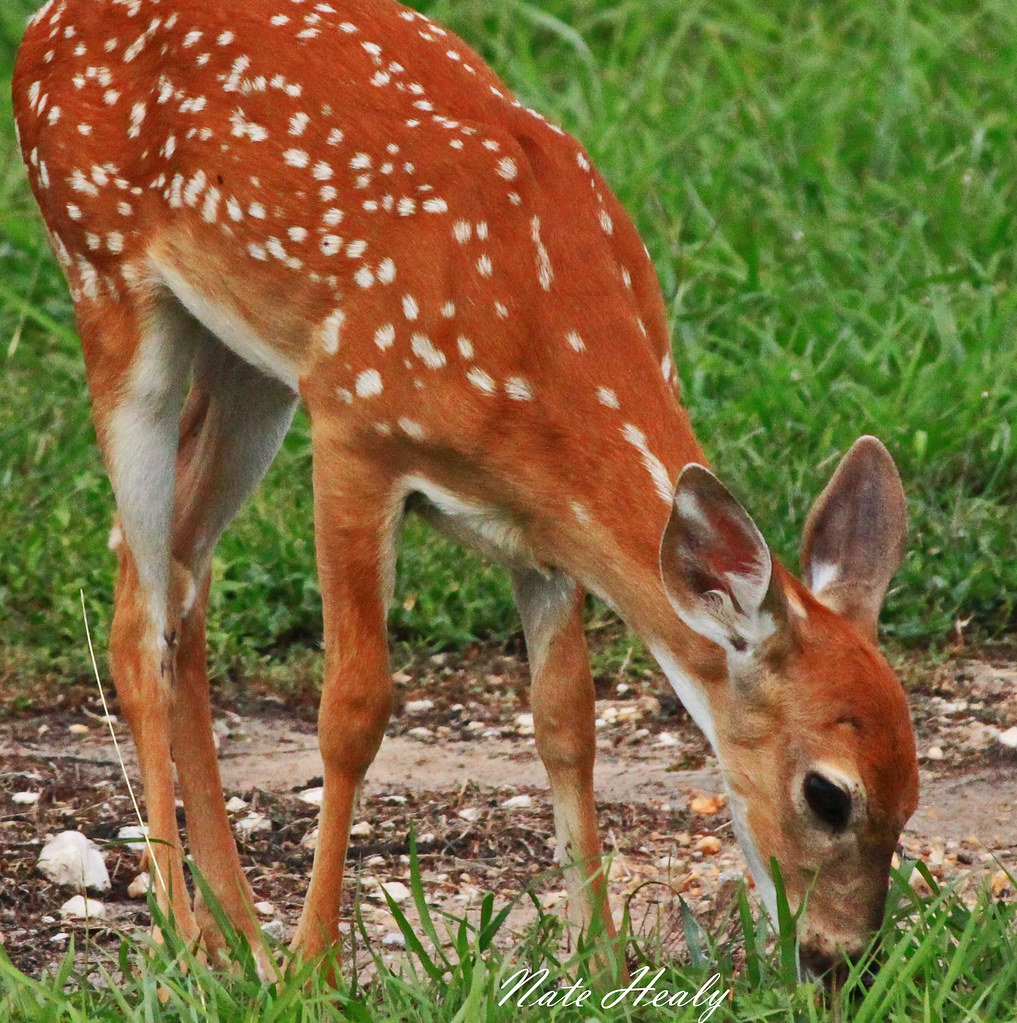
These spots begin to fade after a few months, and by the end of their first year, most fawns no longer have spots.
Growth
Fawns grow quickly, and within a few weeks, they are able to stand, walk, and even run. They rely on their mother’s milk for the first few months of their life, but they begin to eat solid food at around two weeks old. As they grow older, they will begin to graze on vegetation and browse on twigs and leaves.
During their first year, fawns will stay close to their mother and learn important survival skills, such as how to avoid predators and find food. By the end of their first year, they are fully grown and ready to survive on their own.
The birth and early life of a deer are critical moments in their life cycle. By understanding these stages, we can better appreciate the beauty and complexity of these magnificent animals.
Juvenile Stage
The juvenile stage of a deer’s life cycle begins after the fawn is weaned, usually around 6-8 weeks old. This stage lasts until the deer reaches sexual maturity, which occurs around 1.5 to 2.5 years old. During this stage, the deer will undergo significant physical and behavioral changes.
Antler Development
One of the most notable changes during the juvenile stage is antler development in male deer, also known as bucks. Antlers are bony structures that grow on the heads of male deer and are used for fighting during mating season. Antlers grow rapidly during the summer months and can reach full size by late summer or early fall.
It is important to note that not all male deer will grow antlers during their juvenile stage. In some cases, antler growth may be delayed until the deer is older or may not occur at all due to genetics, nutrition, or other factors.
Social Behavior
During the juvenile stage, deer begin to develop their social behavior. They will form small groups with other deer of similar age and gender, known as “peer groups.” These groups allow deer to learn important social skills, such as communication and hierarchy.

Male deer will also begin to establish dominance within their peer groups through sparring and other physical displays. This dominance hierarchy will become more important during mating season when bucks will compete for access to females.
The juvenile stage is a critical period in a deer’s life cycle, as it sets the foundation for their adult behavior and physical development.
Adult Stage
Deer reach adulthood at around two years old, and they can live up to ten years in the wild. During this stage, deer focus on mating and survival.
Mating Habits
Mating season, also known as the rut, occurs in the fall. During this time, male deer, or bucks, compete with each other for the right to mate with female deer, or does. Bucks use their antlers to fight and establish dominance. Once a buck has established dominance, he will mate with multiple does.
After mating, does will carry their fawns for around six months before giving birth in the spring. Once the fawns are born, the mother will do everything in her power to protect them from predators.
Survival Strategies
Adult deer have a variety of survival strategies to help them navigate their environment. One of the most important is their ability to run quickly and jump high. Deer can run up to 40 miles per hour and jump up to 10 feet in the air. This allows them to escape predators such as wolves and coyotes.
Deer also have a keen sense of smell and hearing, which they use to detect predators. They can detect the scent of a predator from up to 300 yards away and can hear sounds that are too high-pitched for humans to hear.
In addition, deer are selective feeders, meaning they only eat certain types of plants. This allows them to avoid plants that are toxic or that may make them sick.
Adult deer have a variety of strategies that help them survive in their environment. From their ability to run and jump to their keen senses, deer are well-equipped to navigate the challenges of life in the wild.
Senior Stage
As deer age, they enter the senior stage of their life cycle. This typically occurs around the age of six to seven years old. During this stage, deer begin to show signs of aging, and may experience health issues and a decrease in life expectancy.
Health Issues
As deer age, they become more susceptible to health issues. Some common health issues that deer may experience during the senior stage include the following.
- Dental problems: Older deer may experience tooth decay, which can make it difficult for them to eat and digest food properly.
- Arthritis: Arthritis is a common issue for older deer, and can cause joint pain and stiffness.
- Vision and hearing loss: As deer age, their vision and hearing may decline, making it more difficult for them to navigate their environment and avoid predators.
- Cancer: Like humans, deer can develop cancer as they age.
Life Expectancy
The life expectancy of deer varies depending on a variety of factors, including their environment, diet, and genetics. However, in general, deer have an average lifespan of 3-6 years. During the senior stage, deer may experience a decrease in life expectancy, as they become more susceptible to health issues and predators.
It’s important to note that while deer may experience health issues and a decrease in life expectancy during the senior stage, they can still live full and active lives. By providing them with a healthy diet, a safe environment, and proper veterinary care, we can help ensure that they are able to enjoy their golden years to the fullest.
Deer Species and Their Life Cycles
Deer are fascinating creatures with unique life cycles that vary depending on the species. In this section, we will explore the life cycles of three common deer species: White-Tailed Deer, Mule Deer, and Elk.
White-Tailed Deer
White-tailed deer are one of the most common deer species in North America. They typically live in forests, swamps, and grasslands. The life cycle of a white-tailed deer begins in the fall when the mating season, also known as the rut, begins.
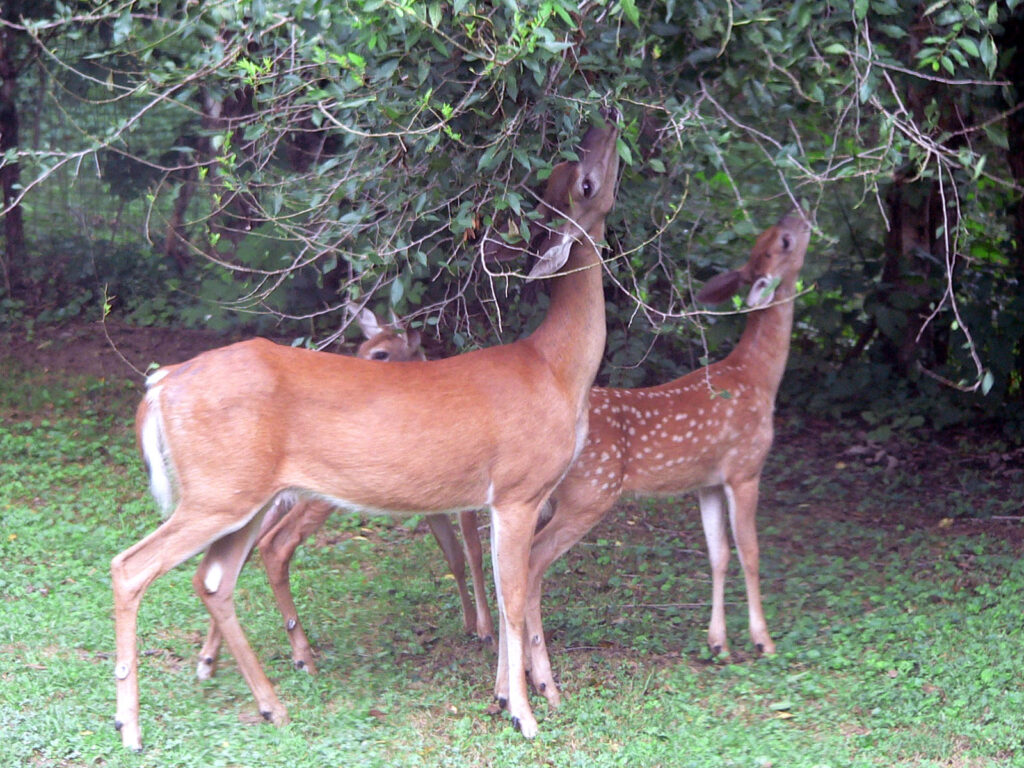
Bucks will compete for the attention of does by using their antlers to fight other males. After mating, the doe will carry her fawn for around 200 days. In the spring, the fawn is born and will stay with its mother for the first year of its life.
Mule Deer
Mule deer are another common deer species found in North America. They inhabit areas with rocky terrain and open forests. The life cycle of a mule deer is similar to that of a white-tailed deer. The breeding season occurs in the fall, and the fawn is born in the spring after a gestation period of around 200 days.
However, mule deer fawns are known to be more independent than white-tailed deer fawns and can follow their mother within hours of being born.
Elk
Elk, also known as wapiti, are the largest species of deer in North America. They inhabit forests and meadows and are known for their impressive antlers. The breeding season for elk, also known as the rut, occurs in the fall. After mating, the cow will carry her calf for around 240-262 days. The calf is born in the spring and will stay with its mother for the first year of its life.
The life cycles of deer species vary depending on the species. White-tailed deer, mule deer, and elk all have unique mating habits, gestation periods, and offspring care. Understanding the life cycle of these animals can help us appreciate their beauty and importance in their respective ecosystems.
Frequently Asked Questions
How long do male deer stay with their mother?
Male deer, also known as bucks, typically stay with their mother until they are around 1.5 years old. At this point, they will start to venture out on their own and establish their own territory.
What does a 1 year old deer look like?
A 1 year old deer, also known as a yearling, will have a reddish-brown coat with white spots. They will also have short, stubby antlers that are covered in velvet.
Do deer families stay together?
Deer families, also known as herds, typically consist of a mother doe and her offspring. However, as the offspring grow older, they will start to venture out on their own and establish their own territory.
Why do deer abandon their fawns?
Contrary to popular belief, mother deer do not abandon their fawns if they detect human scent on them. In fact, mother deer will often leave their fawns alone for extended periods of time in order to avoid drawing attention to them from predators. If you come across a fawn that appears to be abandoned, it is best to leave it alone and let the mother return to it.
What do deer prey on?
Deer are herbivores and primarily feed on plants such as grasses, leaves, and buds. However, they have been known to occasionally eat small animals such as birds and rodents.
How does a mother deer find her fawn?
Mother deer have a keen sense of smell and can easily locate their fawns by scent. Fawns also have distinctive markings and will often remain still and hidden when their mother is not present.

Leave a Reply