The cricket life cycle is a fascinating process that includes three stages: egg, nymph, and adult. During the egg stage, the mother cricket lays hundreds of eggs in the spring. After a 14-day incubation period, a nymph begins to hatch. The nymph stage is characterized by a series of molts, where the cricket sheds its exoskeleton eight times before becoming an adult.

Crickets are known for their chirping, which is a mating call made by male crickets. The chirping sound is produced by rubbing their wings together. Crickets are most active during the night and are attracted to light. They are also known for their jumping ability, which allows them to escape from predators. On average, they live for 90 days, but their lifespan can vary depending on their species.
Understanding the cricket life cycle is important for those who keep them as pets or use them as a food source for other animals. It is also important for scientists who study insects and their behavior. By learning about the different stages of the their life cycle, we can gain a greater appreciation for these fascinating creatures and the role they play in our ecosystem.
Cricket Life Cycle Overview
Crickets are insects that belong to the superfamily Grylloidea. There are over 2,000 species found all over the world. The life cycle of a cricket has three stages: egg, nymph, and adult.
Egg Stage
The cricket life cycle begins when the mother cricket lays hundreds of eggs in the spring. The eggs are usually laid in soil or other hidden places. The eggs hatch after a 14-day incubation period.
Nymph Stage
After hatching, the cricket enters the nymph stage. During this stage, it undergoes a series of molts, shedding its skin as it grows. These molts are called instars. The number of instars it goes through varies by species, but most crickets go through five or six instars before becoming adults.
Adult Stage
Once the cricket has gone through all its instars, it becomes an adult. Adults can live for several months and continue to lay eggs throughout their lives.
During the adult stage, males produce the familiar chirping sound to attract females and mark their territory. The chirping is produced by rubbing their wings together, which creates a sound that varies by species.
The cricket life cycle has three stages: egg, nymph, and adult. The eggs hatch into nymphs, which go through a series of molts before becoming adults. Adults can live for several months and continue to lay eggs throughout their lives.
Stages of Cricket Life Cycle
The life cycle of a cricket consists of three stages: Egg, Nymph, and Adult. Each stage has its own unique characteristics and lasts for a specific period of time.
Egg Stage
The first stage of the cricket life cycle is the egg stage. Females lay their eggs in warm, moist soil or other suitable locations. The eggs are usually laid in groups of 50 to 100 and are covered with a sticky substance that helps them adhere to the surface.
The incubation period of the eggs varies depending on the temperature and humidity of the environment. It can range from 14 to 21 days. Once the eggs hatch, the nymphs emerge.
Nymph Stage
The second stage of the cricket life cycle is the nymph stage. Nymphs are smaller versions of adults and look similar to them, but without wings. During this stage, they go through a series of molts, shedding their skin as they grow.
The number of molts varies depending on the species of cricket. Most crickets molt 5 to 6 times before reaching adulthood. The nymph stage can last from 6 weeks to several months, depending on the species.
Adult Stage
The final stage of the cricket life cycle is the adult stage. Adults have fully developed wings and are capable of reproducing. They are active during the night and feed on a variety of plants and insects.
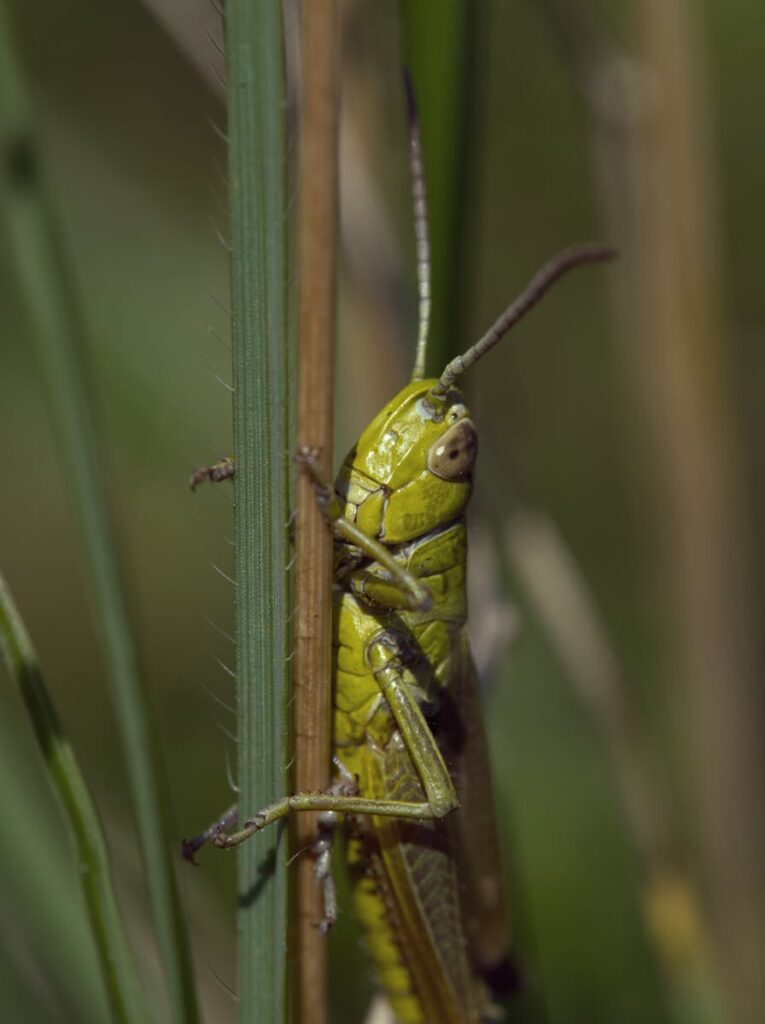
The lifespan of adult crickets varies depending on the species. On average, they live for 90 days. However, some can live up to a year or more. During this stage, the female lay eggs, and the cycle starts all over again.
Understanding the stages of the cricket life cycle is essential for anyone interested in these fascinating insects. By knowing the different stages, you can better appreciate the complexity and beauty of their life cycle.
Cricket Mating and Reproduction
Crickets are known for their distinctive chirping sound, which is produced by male crickets to attract females during the mating season. The mating process of crickets is quite fascinating and involves a complex ritual.
Male crickets produce a unique sound by rubbing their front wings together, which is known as stridulation. The sound produced by male crickets can vary depending on the species. Female crickets are attracted to the sound produced by male crickets, and they respond by producing a clicking sound.
Once the male has successfully attracted a female, the mating process begins. The male will approach the female and begin to produce a courtship song by rubbing his wings together. If the female cricket is interested, she will allow the male to mount her, and the mating process will begin.
During the mating process, the male cricket will transfer sperm to the female using his external genitalia. The female cricket will then store the sperm in a special sac called the spermatheca. The sperm can remain viable for several months, allowing the female cricket to fertilize her eggs when conditions are optimal.
After mating, female crickets will lay their eggs in the soil or other suitable substrate. The number of eggs laid by female crickets can vary depending on the species, but they typically lay between 50 and 200 eggs.
In conclusion, the mating and reproduction process of crickets is complex and fascinating. Male crickets produce a unique sound to attract females, and the mating process involves a courtship ritual. After mating, female crickets lay their eggs, which will hatch into nymphs and begin the life cycle anew.
Cricket Life Span
Crickets have a relatively short life span. On average, they live for about 90 days. However, the life span of a cricket can vary depending on the species, the environment, and the availability of food and water. Some crickets may live for only a few weeks, while others can survive for up to two years or more under ideal conditions.
The life cycle of a cricket consists of three stages: the egg, the nymph, and the adult. After a female cricket lays her eggs, they hatch into nymphs, which look like miniature versions of adult crickets. The nymphs go through several molts, shedding their exoskeletons as they grow. Once they reach adulthood, they are ready to mate and lay eggs of their own.
Crickets are most active during the warm months of the year, and their life cycle is closely tied to the seasons. In the spring, female crickets begin laying their eggs, which hatch into nymphs in about two weeks. The nymphs go through several molts over the course of a few weeks, and by August, they have reached adulthood and are ready to mate.
While crickets are not particularly long-lived, they play an important role in many ecosystems. They are a source of food for many animals, including birds, reptiles, and mammals. They also help to break down dead plant material, which helps to enrich the soil. Despite their short life span, crickets are a vital part of many ecosystems and have a significant impact on the world around us.
Cricket’s Role in Ecosystem
Cricket’s role in the ecosystem is multifaceted. They are considered to be an indicator species, meaning their presence or absence can indicate the health of an ecosystem. Crickets are also an important food source for many animals, including birds, reptiles, and mammals.
Crickets play a crucial role in the food chain. They are herbivorous and feed on plants, which in turn helps to control plant populations. This can help prevent overgrazing and promote healthy plant growth. Additionally, crickets are a source of protein for many predators, making them an important part of the food web.
In addition to being a food source, crickets also help to break down organic matter. As they feed on dead plant material, they help to decompose it, returning nutrients to the soil. This process is essential for maintaining healthy soil and promoting plant growth.
Crickets are also important pollinators. Some species of crickets feed on nectar and pollen, helping to transfer pollen from one plant to another. This is important for the reproduction of many plant species and helps to maintain biodiversity in ecosystems.
Overall, crickets play a vital role in the ecosystem. Their presence helps to maintain healthy plant populations, promote nutrient cycling, and support a diverse range of animal species.
Cricket Species Diversity
There are over 2,000 species of crickets living around the globe, belonging to the insect superfamily Grylloidea. These species can be found in various habitats, including grasslands, forests, deserts, and even caves.
Crickets come in different shapes, colors, and sizes. Some species are small, measuring only a few millimeters in length, while others can grow up to 5 centimeters. The African field cricket, Gryllus bimaculatus, is one of the largest species, while the Jerusalem cricket, Stenopelmatus fuscus, is one of the heaviest.
The diversity of cricket species is not limited to their physical characteristics. They also exhibit different behaviors, such as singing, burrowing, and jumping. Some species are solitary, while others live in groups.
Here are some examples of cricket species diversity.
- The snowy tree cricket, Oecanthus fultoni, is known for its distinctive high-pitched song, which is used to attract mates.
- The mole cricket, Gryllotalpa spp., lives underground and feeds on roots, causing damage to crops and lawns.
- The sword-tailed cricket, Glomeremus orchidophilus, has a long, sword-like ovipositor, which it uses to lay eggs in orchids.
- The cave cricket, Troglophilus spp., is adapted to living in dark, damp caves and has elongated antennae to help it navigate in low-light conditions.
The diversity of cricket species is a testament to their adaptability and resilience in various environments.
Conservation Status and Threats
While crickets are not currently considered endangered, some species are facing threats to their populations. Habitat loss and fragmentation, pollution, and climate change are all potential threats to cricket populations.

Habitat loss and fragmentation can occur due to human activities such as deforestation, urbanization, and agriculture. Crickets require specific habitats, such as grasslands, forests, and wetlands, to survive. When these habitats are destroyed or fragmented, cricket populations can decline.
Pollution, such as pesticides and herbicides, can also have negative impacts on cricket populations. These chemicals can directly harm crickets or reduce the availability of food sources.
Climate change is another potential threat to cricket populations. Changes in temperature and precipitation patterns can alter the timing of life cycle events, such as mating and hatching, which can have negative impacts on populations. Additionally, changes in habitat availability and suitability due to climate change can also affect cricket populations.
Conservation efforts can help mitigate these threats and protect cricket populations. Habitat conservation and restoration, reduction in pesticide use, and efforts to mitigate climate change can all help to protect cricket populations. Additionally, research on cricket populations and their habitats can help inform conservation efforts and ensure that they are effective.
Cricket as a Pest
Crickets are a common pest in many parts of the world, including Texas. They are known for their loud chirping sounds, which can be annoying and disruptive, especially at night. However, their presence can also cause damage to plants, fabrics, and even buildings.
Damage to Plants
Crickets are known to feed on a variety of plants, including vegetables, fruits, and ornamental plants. They can cause significant damage to crops and gardens, especially during their nymph stage when they are most active. They can also chew on the stems and leaves of plants, causing them to wither and die.
Damage to Fabrics
Crickets are attracted to fabrics made of natural fibers such as wool, silk, and cotton. They can chew on these fabrics, causing holes and damage to clothing, curtains, and upholstery. This can be a significant problem for homeowners, especially during the summer months when crickets are most active.
Damage to Buildings
Crickets can also cause damage to buildings, especially if they are able to enter through small cracks and gaps. Once inside, they can chew on wood, paper, and other materials, causing structural damage and even fires in extreme cases.
Overall, crickets can be a significant pest problem for homeowners and businesses alike. It is important to take steps to control their populations and prevent damage to plants, fabrics, and buildings.
Cricket Farming and Human Use
Crickets have been farmed for human consumption for centuries in many parts of the world, including Asia, Africa, and South America. In recent years, cricket farming has gained popularity in Europe and North America as a sustainable and nutritious alternative to traditional animal protein sources.
Crickets are a rich source of protein, healthy fats, and micronutrients such as iron and calcium. They also have a low environmental impact, requiring less water, feed, and land than traditional livestock. In addition, crickets can be fed on organic waste, reducing the amount of food waste that ends up in landfills.
Cricket farming typically involves raising crickets in large containers or cages, providing them with a suitable substrate for laying eggs, and controlling temperature and humidity to ensure optimal growth and development. The life cycle of crickets consists of four stages: egg, nymph, adult, and death. The entire cycle lasts about six weeks, during which time the crickets are fed a diet of grains and vegetables.
Crickets can be harvested at any stage of their life cycle, although most farmers prefer to wait until they reach adulthood. The harvested crickets can be processed into a variety of products, including whole roasted crickets, cricket flour, and cricket protein bars. These products are becoming increasingly popular among consumers looking for sustainable and healthy sources of protein.
In addition to human consumption, crickets are also used as live pet food for reptiles and other small animals. Live crickets are sold in pet stores and online, and many cricket farms produce crickets specifically for this market. A life cycle assessment of cricket farming for live pet food found that it had a lower environmental impact than traditional livestock production, due to the smaller land and water requirements.
Overall, cricket farming is a promising and sustainable alternative to traditional livestock production, with a wide range of potential uses in human and animal nutrition. As consumer demand for sustainable and healthy protein sources continues to grow, cricket farming is likely to play an increasingly important role in the global food system.
Frequently Asked Questions
How many eggs can a cricket lay in a day?
A female cricket can lay up to 100 eggs in her lifetime. However, the number of eggs laid in a day can vary depending on the species and environmental factors.
What are the stages of a cricket’s life cycle?
The cricket life cycle has three stages: egg, nymph, and adult. The eggs hatch into nymphs, which resemble adults but are smaller and lack wings. The nymphs molt several times before reaching adulthood.
What is the lifespan of a cricket?
The lifespan of a cricket varies depending on the species and environmental factors. Some crickets can live up to two years, while others may only live a few months.
What is the difference between a cricket nymph and an adult cricket?
Nymphs resemble adults but are smaller and lack wings. As they grow, they molt several times before reaching adulthood. Adult crickets have wings and are capable of reproducing.
What environmental factors affect the cricket life cycle?
Temperature and humidity are the most significant environmental factors that affect the cricket life cycle. Crickets thrive in warm, humid environments and require these conditions to grow and reproduce.
When do crickets typically lay their eggs?
Crickets typically lay their eggs in the late summer or early fall. The eggs hatch in the spring, and the nymphs begin their development.

Leave a Reply